What happened
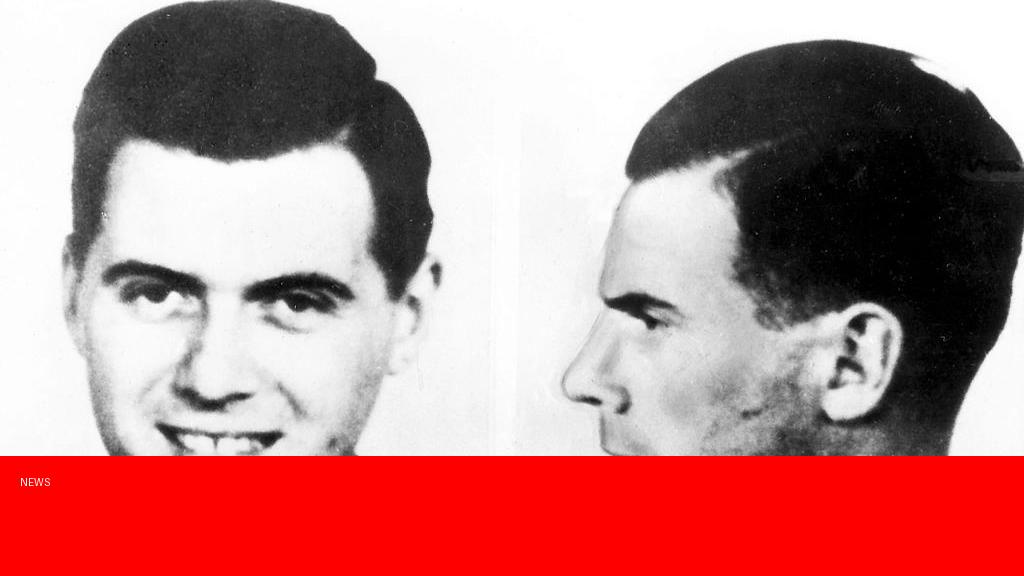
Switzerland has announced that it will open previously secret files related to Josef Mengele, the infamous Nazi doctor known as the “Angel of Death” at Auschwitz. These files, held by Swiss authorities, include intelligence and correspondence that could shed new light on Mengele’s activities and possible connections after World War II. The decision follows years of public pressure and calls for increased transparency about Switzerland’s role during and after the Holocaust.
Why it matters
The release of these documents is significant for historians, survivors, and the public seeking a fuller understanding of the Holocaust and the post-war fate of Nazi war criminals. Mengele is notorious for conducting inhumane medical experiments on prisoners, especially twins, at Auschwitz. The files could reveal previously undisclosed information about how Mengele evaded capture, his movements across Europe and South America, and whether any individuals or institutions in Switzerland provided assistance. This transparency can help in historical reckoning and provide closure to survivors and their families.
Background
Josef Mengele was a Nazi SS officer and physician who performed brutal medical experiments during the Holocaust. After the war, he escaped prosecution and fled to South America, living in countries such as Argentina, Paraguay, and Brazil until his death in 1979. For decades, Austrian, German, and Allied investigators sought to track his whereabouts but faced many obstacles and incomplete information. Switzerland, known for its neutrality during the war, has long maintained strict control over intelligence files from that era. The decision to open these secret archives aligns with broader efforts in Europe to confront uncomfortable aspects of wartime history and improve access to historical documents related to Nazi crimes.
Questions and Answers
Q: Why were the Swiss files on Josef Mengele kept secret for so long?
A: The files were considered sensitive due to Switzerland’s policies on intelligence confidentiality and concerns over diplomatic repercussions. Authorities also cited privacy laws and the complexity of declassifying intelligence material.
Q: What kind of information is expected to be found in these files?
A: The files likely contain surveillance reports, correspondence with other agencies, and intelligence about Mengele’s escape routes and contacts, potentially including details about any assistance he may have received.
Q: How will the release of these files benefit Holocaust research?
A: Opening the files will provide historians with new primary sources that could fill gaps in the record about Mengele’s post-war life, contributing to a more comprehensive historical narrative and aiding any ongoing investigations or commemorations.
Q: Did Switzerland play a role in helping Nazi war criminals escape?
A: While Switzerland remained officially neutral during the war, some evidence suggests that its territory and banking system may have inadvertently or intentionally aided the movement and concealment of certain war criminals, a subject under continued examination.
Q: When will the files be accessible to the public?
A: Swiss authorities have not specified an exact date but have indicated that the files will be made available to researchers and the public within the coming months following a review process.
Source: https://www.bbc.com/news/articles/cgjpyqjj8y4o?at_medium=RSS&at_campaign=rss