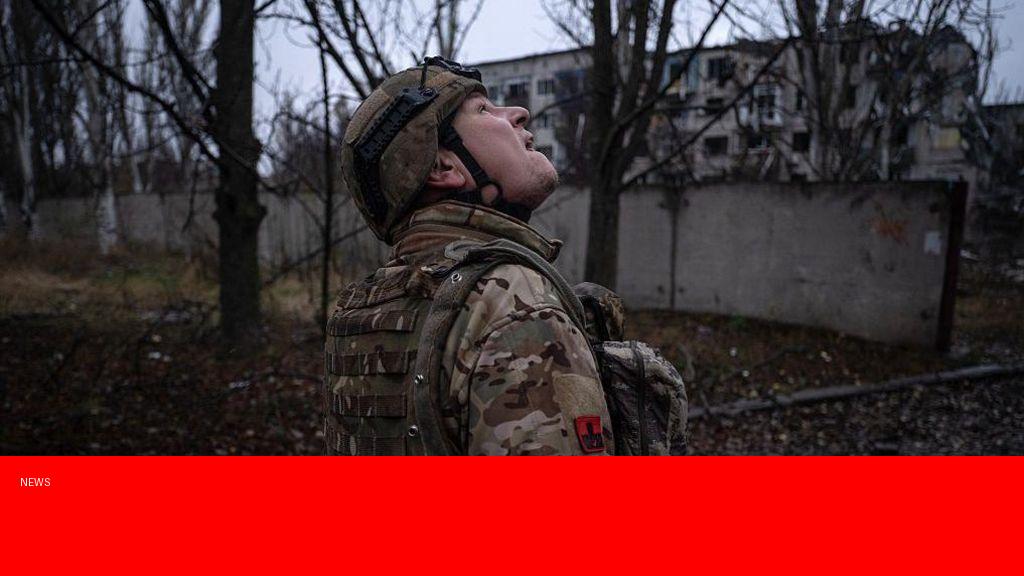
What happened
On Ukraine’s front line, intense fighting has taken place within what military experts call the “kill-zone,” a highly contested area where new weapons systems have dramatically altered the dynamics of the conflict. Ukrainian forces, equipped with advanced Western-supplied weaponry such as HIMARS rocket launchers and precision-guided munitions, have been able to launch more effective strikes against Russian positions. These technological upgrades have increased the lethality and reach of Ukrainian firepower, enabling targeted attacks that disrupt enemy logistics and command centers deep behind the lines.
Why it matters
The transformation of the frontline through these new weapons has significant strategic implications for the war in Ukraine. By enhancing Ukraine’s ability to strike accurately and quickly within the kill-zone, these systems have tilted the battlefield balance, slowing Russian advances and creating opportunities for Ukrainian counteroffensives. This shift not only impacts military outcomes but also influences international support and aid decisions, as successful use of Western arms demonstrates the effectiveness of continued material assistance. Furthermore, it underscores the evolving nature of modern warfare, where technological superiority plays a decisive role.
Background
Since Russia’s full-scale invasion of Ukraine in February 2022, the conflict has centered on control of key territories along a contested frontline. The “kill-zone” refers to the area within range of direct combat and artillery fire where both sides face high risks. Early in the conflict, Ukraine’s forces struggled with outdated Soviet-era equipment and limited artillery capabilities compared to Russian firepower. However, over the past year, sustained Western military aid — including advanced rocket systems, drones, and intelligence sharing — has strengthened Ukraine’s defensive and offensive operations. These developments have redefined how battles are fought on the ground and shaped the broader strategic landscape of the war.
Questions and Answers
Q: What new weapons have changed the fighting in Ukraine’s kill-zone?
A: Key new weapons include the US-supplied HIMARS (High Mobility Artillery Rocket Systems), precision-guided artillery munitions, and advanced drones that enable accurate, rapid strikes against Russian positions.
Q: How have these weapons affected Ukrainian defense and offense?
A: They allow Ukrainian forces to disrupt Russian supply lines, command posts, and artillery installations at greater distances and with improved accuracy, making frontline positions more costly for Russian troops to hold.
Q: Why is the kill-zone so dangerous in the Ukraine conflict?
A: The kill-zone is within range of artillery, rockets, and small arms fire from both sides, making it a deadly area where advances are costly and soldiers face continuous threat of being targeted.
Q: How does this development influence international support for Ukraine?
A: Demonstrated effectiveness of new Western weapons provides justification for ongoing military aid, encouraging allied countries to supply more advanced armaments to bolster Ukraine’s capabilities.
Q: What does the situation in the kill-zone reveal about modern warfare?
A: It highlights the increasing role of precision weaponry, real-time intelligence, and mobility in shifting battlefield advantages, underscoring how technology is reshaping the conduct and outcomes of war.
Source: https://www.bbc.com/news/articles/c3w2xqj9x13o?at_medium=RSS&at_campaign=rss