What happened
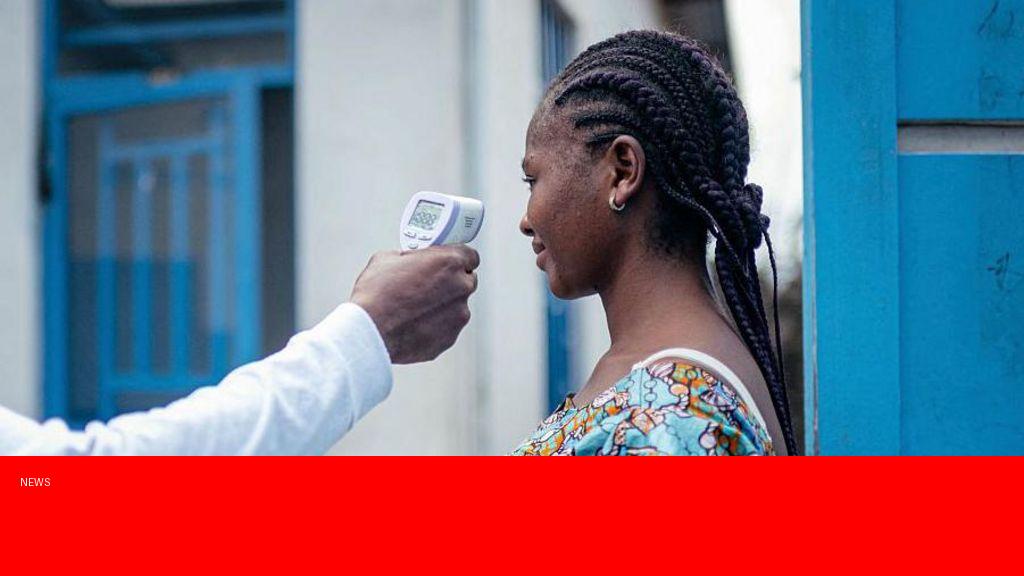
At least six Americans were potentially exposed to the Ebola virus during the recent outbreak in the Democratic Republic of Congo (DR Congo), according to health officials. These individuals were identified through contact tracing efforts and are now under close monitoring to prevent further spread of the disease. None have shown symptoms so far, but all are receiving daily health checks as a precaution.
Why it matters
This exposure highlights the ongoing risk of Ebola transmission beyond the immediate outbreak zone, particularly among travelers, aid workers, and medical personnel. Monitoring and rapid response are crucial to containing the virus and preventing an international health crisis. It also underscores the importance of preparedness and vigilance in the U.S. and worldwide to avoid potential outbreaks.
Background
The Ebola outbreak in DR Congo was declared earlier this year after multiple confirmed cases of the virus were reported. Ebola is a severe, often fatal illness marked by fever, bleeding, and organ failure, with roughly a 50% fatality rate historically. Previous outbreaks in Africa have triggered global health concerns, prompting international efforts to contain the virus. The U.S. regularly monitors travelers returning from affected regions to mitigate any risk of spread domestically.
Questions and Answers
Q: How were the Americans exposed to Ebola?
A: They were identified as contacts of confirmed Ebola patients, likely through travel, humanitarian work, or medical aid in the outbreak area.
Q: Are any of the exposed Americans showing symptoms?
A: As of now, none have developed symptoms, but they remain under daily health observation during the Ebola incubation period.
Q: What measures are being taken to prevent further spread?
A: Close monitoring of potential cases, isolation protocols if symptoms arise, and ongoing public health preparedness are being enforced.
Q: Should the public be concerned about Ebola spreading in the U.S.?
A: Currently, the risk remains low due to robust screening and monitoring systems; however, vigilance is necessary.
Q: What can travelers do to protect themselves during an outbreak?
A: Follow travel advisories, avoid contact with infected individuals, practice good hygiene, and report any symptoms immediately.
Source: https://www.bbc.com/news/articles/cq6pz60p996o?at_medium=RSS&at_campaign=rss