What happened
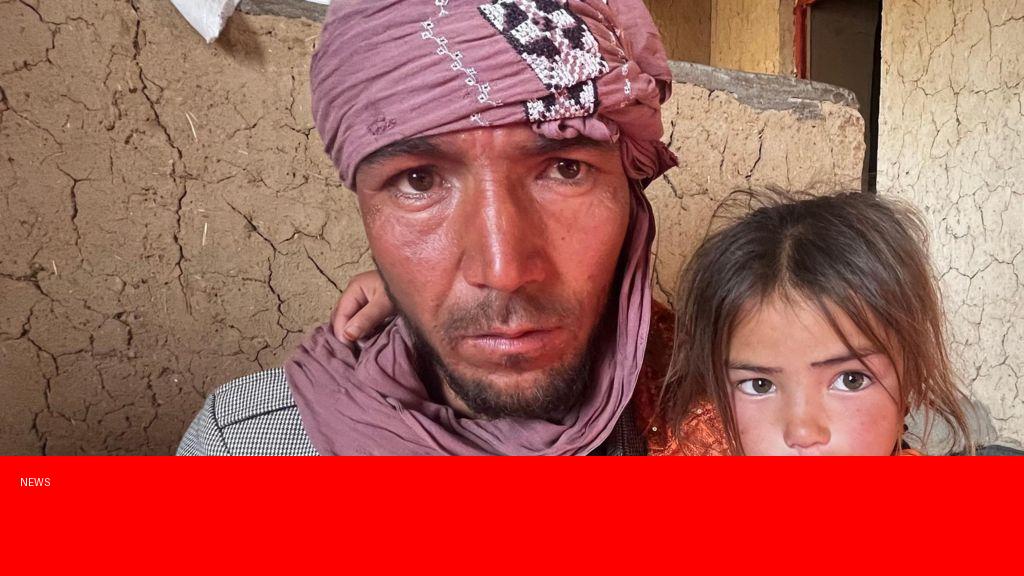
In war-torn Afghanistan, many desperate families are reportedly resorting to selling their children to survive amid worsening economic conditions and food shortages. Fathers, overwhelmed by poverty and the collapse of social support systems, have made the heartbreaking decision to part with their sons and daughters. These transactions often involve handing over children to wealthier families or intermediaries in exchange for money or basic necessities, leaving the children vulnerable to exploitation.
Why it matters
This alarming trend highlights the extreme humanitarian crisis gripping Afghanistan, where decades of conflict, drought, and economic collapse have pushed families to unimaginable extremes. The sale of children not only violates their basic rights but also exacerbates cycles of poverty, abuse, and instability. Addressing this issue is critical for the international community and aid organizations seeking to protect vulnerable populations and rebuild social infrastructure within Afghanistan.
Background
Since the Taliban’s return to power in August 2021, Afghanistan’s economy has rapidly deteriorated due to sanctions, frozen assets, and a halt in foreign aid. Over half the population faces acute food insecurity, with many households lacking access to sufficient food and healthcare. Cultural and social norms traditionally discourage selling children, but the unprecedented hardship has forced some families to break these taboos. Human rights groups and UNICEF have documented cases where children, sold to survive, end up in forced labor or early marriage, perpetuating cycles of exploitation.
Questions and Answers
Q: How widespread is the practice of selling children in Afghanistan?
A: While exact figures are difficult to obtain due to the underground nature of these transactions, multiple humanitarian organizations report an increase in cases, especially in impoverished rural areas severely affected by drought and conflict.
Q: What are the risks faced by children sold by their families?
A: Children sold into new families risk exploitation, including forced labor, child marriage, and abuse. They often lose access to education and healthcare, further marginalizing them.
Q: What is being done to help families avoid selling their children?
A: Aid agencies are scaling up food assistance, cash transfers, and psychosocial support to alleviate poverty and provide alternatives to distress sales. However, funding shortfalls and political instability hamper these efforts.
Q: Can international intervention stop this practice?
A: International aid can mitigate pressures that drive families to such desperate measures, but long-term solutions require political stability, economic recovery, and strengthening of child protection systems within Afghanistan.
Source: https://www.bbc.com/news/articles/c0q25dwj807o?at_medium=RSS&at_campaign=rss