What happened
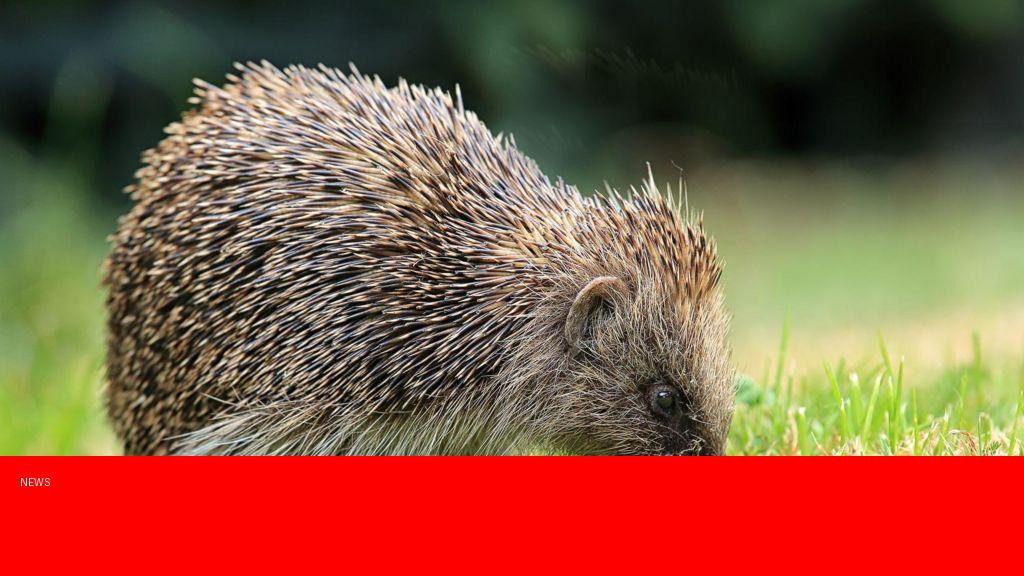
Researchers in the UK have begun using a combination of satellite technology and artificial intelligence (AI) to monitor the hedgehog population, aiming to better understand and slow the species’ rapid decline. By deploying GPS trackers on individual hedgehogs and analyzing satellite imagery with AI algorithms, scientists can track movements, habitat use, and threats in real-time.
Why it matters
Hedgehogs are a beloved and iconic species in the UK, but their numbers have been falling drastically due to habitat loss, road accidents, and environmental changes. This innovative approach allows for more precise data collection, enabling conservationists to develop targeted strategies to protect hedgehog habitats and reduce mortality. Effective monitoring could lead to the reversal of population decline, preserving biodiversity and promoting ecological health.
Background
Over the past few decades, hedgehogs in the UK have experienced a significant population downturn, with estimates suggesting a decline of up to 30% since 2000. Traditional methods of tracking hedgehogs, such as physical tagging and observation, have limitations in scale and detail. Advances in satellite imaging and AI have opened up new possibilities for wildlife monitoring by providing extensive environmental data and automating analysis. This project represents a pioneering effort to integrate these technologies for hedgehog conservation.
Questions and Answers
Q: How do satellites help in tracking hedgehogs?
A: Satellites provide high-resolution images of hedgehogs’ habitats, allowing researchers to observe environmental changes and identify areas where hedgehogs are most active or at risk.
Q: What role does AI play in the project?
A: AI algorithms process large volumes of satellite data and patterns from GPS trackers to identify movement trends, habitat preferences, and potential threats to hedgehogs more efficiently than manual methods.
Q: Why are hedgehogs declining in the UK?
A: Key factors include habitat fragmentation, use of pesticides, road traffic accidents, and urban development, all of which reduce suitable environments and increase mortality risks.
Q: Will this technology be used for other wildlife?
A: While currently focused on hedgehogs, the success of this approach could pave the way for similar applications in monitoring other elusive or threatened species.
Source: https://www.bbc.com/news/articles/c202g60qrlpo?at_medium=RSS&at_campaign=rss