What happened
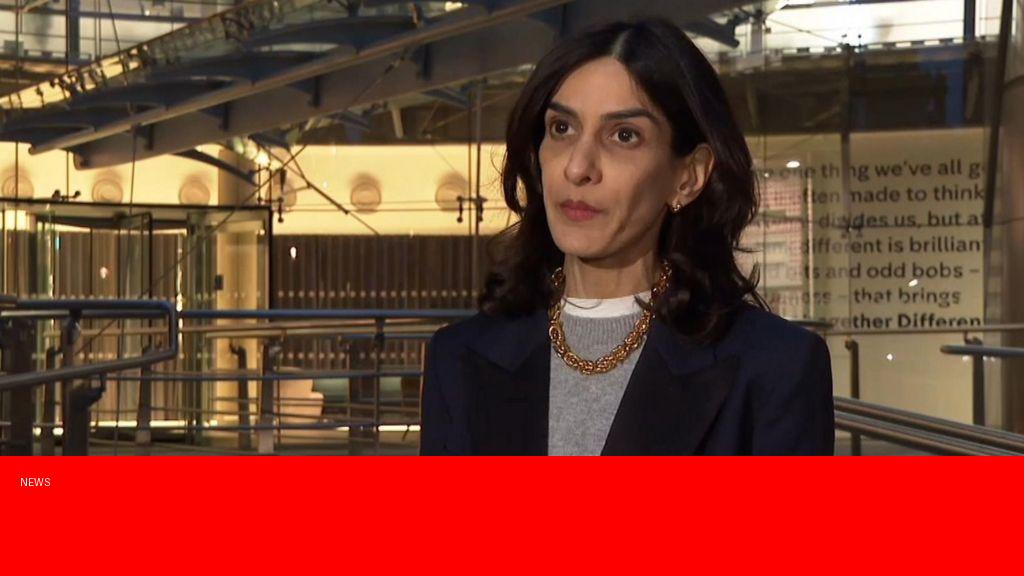
At a recent media event, the Channel 4 boss was directly asked whether she would issue an apology to the women featured on the UK version of the reality show *Married at First Sight* (MAFS UK). The question came amid ongoing controversies and criticisms surrounding the treatment and portrayal of female participants on the show. The Channel 4 executive responded cautiously, addressing the concerns raised but stopped short of offering a formal apology.
Why it matters
This interaction highlights the growing scrutiny of reality television producers regarding participant welfare and ethical responsibility. *Married at First Sight UK* has sparked considerable debate about the portrayal of women and the psychological impact of reality TV fame. The Channel 4 boss’s reluctance to apologise signals the industry’s ongoing struggle to balance entertainment value with genuine accountability, which could influence future production policies and participant support mechanisms.
Background
*Married at First Sight UK* is a popular reality series where participants agree to marry a stranger chosen by relationship experts. Since its debut, the show has attracted a loyal audience but also criticism for its treatment of participants, especially women, who have reported feeling manipulated or unfairly depicted. Channel 4, the broadcaster of the show, has faced calls from viewers and advocacy groups to take responsibility and ensure better ethical standards in reality programming.
Questions and Answers
Q: Why were the women on MAFS UK asking for an apology?
A: Several female participants expressed feeling misrepresented and emotionally distressed due to the show’s editing and production choices, leading to public calls for Channel 4 to acknowledge these issues and apologise.
Q: Did the Channel 4 boss give a clear answer about apologising?
A: No, while the Channel 4 executive acknowledged the concerns, she did not offer a formal apology during the exchange.
Q: What effect might this have on future reality TV shows?
A: The incident may pressure producers to implement stronger participant support measures and ethical guidelines to avoid similar controversies in future programming.
Q: Has Channel 4 made any changes following these criticisms?
A: Channel 4 has previously stated its commitment to participant welfare and has reviewed its practices, but no major policy shifts have been publicly announced as a direct response.
Source: https://www.bbc.com/news/videos/c052881dmylo?at_medium=RSS&at_campaign=rss