What happened
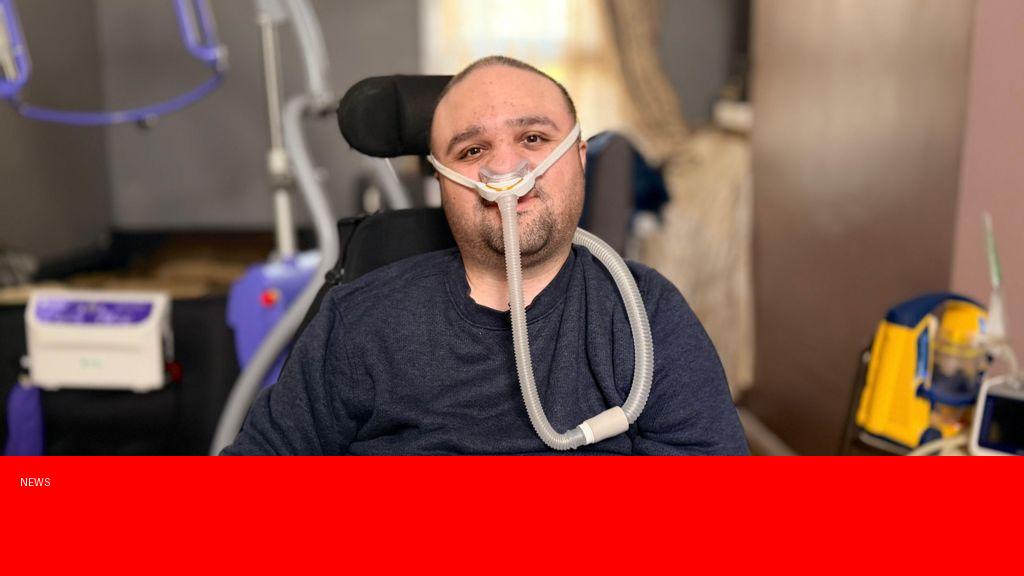
A disabled man was left “rotting” on a hospital ward for weeks, despite being medically fit to be discharged. Family members and campaigners have raised concerns that the patient was unnecessarily kept in hospital due to delays in arranging appropriate social care and home support. The prolonged hospital stay has reportedly had a detrimental effect on the man’s physical and mental well-being.
Why it matters
The case highlights a significant issue within the healthcare and social care systems, where patients who no longer require medical treatment remain hospitalized due to a lack of timely post-discharge support. This not only affects the individual’s quality of life but also places additional strain on hospital resources, potentially limiting capacity for those in acute need. The situation underscores the urgent need for improved coordination between health and social care services to prevent avoidable delays.
Background
Across the UK, delays in discharging patients who are medically ready to leave hospitals have been a long-standing problem. Many patients, especially those with disabilities or complex care needs, face barriers to returning home due to insufficient social care packages or housing adaptations. NHS and local authorities often struggle to coordinate these services efficiently, leading to extended hospital stays known as delayed transfers of care or “bed blocking.” Concerns over the impact on patients’ health and the broader healthcare system have prompted calls for systemic reform.
Questions and Answers
Q: Why was the disabled man kept in hospital despite being fit to go home?
A: The main reason was a delay in arranging necessary social care and home support, which are essential for his safe discharge.
Q: What impact can prolonged hospital stays have on patients like him?
A: Extended stays can lead to physical decline, increased risk of infections, loss of independence, and negative effects on mental health.
Q: What are the systemic issues contributing to these delays?
A: Lack of coordination between health and social care services, resource shortages, and bureaucratic hurdles often cause discharge delays.
Q: What steps are being taken to address these issues?
A: Authorities are exploring better integration of services, increased funding for social care, and improved discharge planning to streamline transitions from hospital to home.
Source: https://www.bbc.com/news/articles/c2e2zvlyy38o?at_medium=RSS&at_campaign=rss