What happened
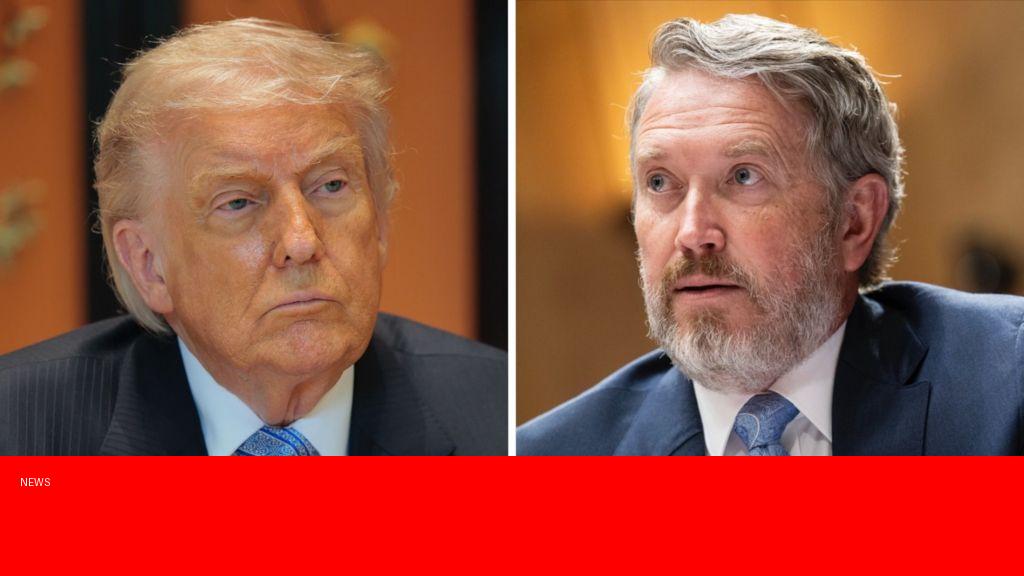
Former President Donald Trump solidified his influence over the Republican Party by endorsing and helping defeat Representative Thomas Massie in the Kentucky primary election. Massie, known for his libertarian-leaning views and occasional independence from party leadership, lost to a Trump-backed challenger aiming to align more closely with Trump’s agenda. This victory marks another critical step in Trump’s efforts to reshape the GOP according to his vision and consolidate control over its future direction.
Why it matters
Trump’s successful intervention against an incumbent Republican sends a strong message that loyalty to his leadership style and policies is becoming a non-negotiable factor within the party. This not only discourages dissent but also reshapes the GOP’s ideological makeup, favoring candidates who embrace Trump’s nationalist, populist approach. It raises questions about the party’s ability to embrace broader viewpoints and may influence strategies for upcoming elections, including the 2024 presidential race.
Background
Donald Trump has remained a dominant figure in the Republican Party since leaving office in 2021. By endorsing candidates who support him and opposing those who do not, Trump has increasingly exerted control over GOP primaries nationwide. Thomas Massie gained a reputation for occasionally breaking with party orthodoxy, particularly on fiscal responsibility and government oversight. This election cycle, Trump targeted several incumbents like Massie who showed signs of independence, aiming to build a unified party base in preparation for future electoral battles.
Questions and Answers
Q: Why was Thomas Massie targeted by Trump in this primary?
A: Massie was targeted because he often demonstrated independence from Trump’s policy positions and GOP leadership, which conflicted with Trump’s emphasis on party loyalty.
Q: How does Trump’s influence affect the Republican Party’s future?
A: Trump’s influence pushes the party toward a more unified, Trump-aligned ideology, potentially limiting internal dissent and shaping candidate selection in future elections.
Q: What does this mean for the 2024 presidential election?
A: With tighter party control, Trump-backed candidates are more likely to promote his platform, which could consolidate support for Trump if he runs, or for candidates aligned with his movement.
Q: Are there signs of resistance within the GOP to Trump’s leadership?
A: While some Republicans have pushed back, Trump’s recent primary successes indicate his grip on the party remains strong, making open dissent more challenging.
Source: https://www.bbc.com/news/articles/cdjpng88d2vo?at_medium=RSS&at_campaign=rss