What happened
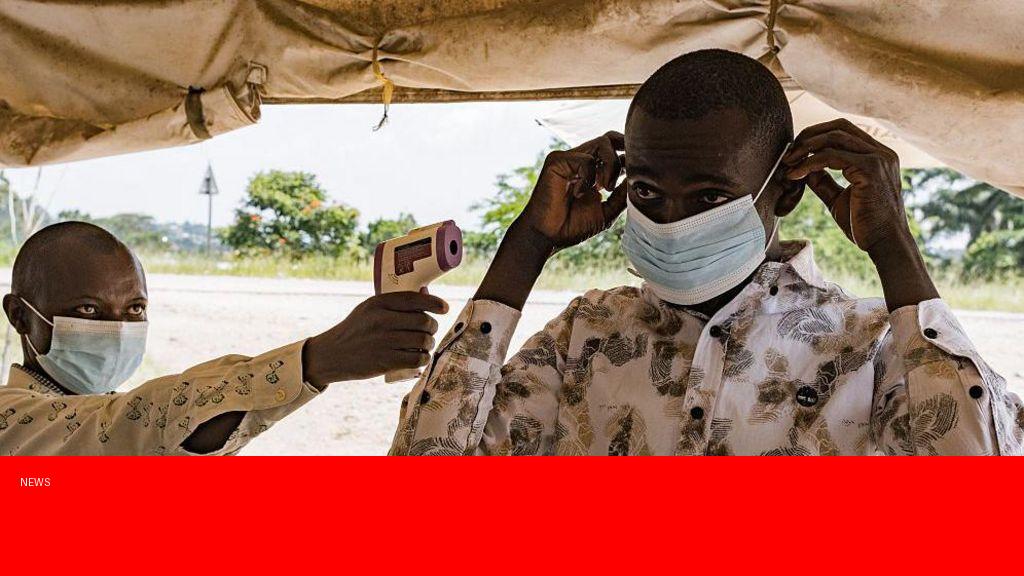
A recent surge in suspected Ebola virus cases has been reported, with multiple fatalities confirmed in affected regions. The World Health Organization (WHO) has issued a warning that the number of deaths and infections is expected to rise further as the outbreak spreads. Health officials are mobilizing resources to contain the virus, but challenges remain in affected communities where healthcare infrastructure is limited.
Why it matters
This outbreak poses a significant public health threat, particularly in regions already burdened with limited medical resources. Ebola is a highly contagious and deadly virus, and an increase in cases could lead to widespread health crises, strain local and international healthcare systems, and disrupt social and economic activities. Early containment efforts are critical to preventing a larger epidemic and reducing mortality rates.
Background
Ebola is a viral hemorrhagic fever first identified in 1976, known for causing severe illness and high fatality rates. It primarily spreads through direct contact with bodily fluids of infected individuals or animals. Previous outbreaks, especially the 2014-2016 West Africa epidemic, highlighted the devastating impact Ebola can have on communities and healthcare systems. The WHO and other international bodies have developed protocols for rapid response and treatment to curb transmission and improve survival outcomes.
Questions and Answers
Q: What regions are currently most affected by the Ebola outbreak?
A: The outbreak is concentrated primarily in parts of Central and West Africa where healthcare access is limited and surveillance is challenging.
Q: How is the WHO responding to the outbreak?
A: The WHO is coordinating with local governments and international partners to increase surveillance, distribute protective equipment, and support treatment centers.
Q: What symptoms should people watch for?
A: Common symptoms of Ebola include fever, fatigue, muscle pain, headache, sore throat, vomiting, diarrhea, and in severe cases, bleeding.
Q: What can individuals do to protect themselves?
A: Avoiding contact with bodily fluids of infected individuals, practicing thorough hand hygiene, and following guidance from health authorities are key preventive measures.
Q: Is there a vaccine available?
A: Yes, vaccines have been developed and are being deployed in outbreak areas to help protect frontline workers and high-risk populations.
Source: https://www.bbc.com/news/articles/cwy2g197dp8o?at_medium=RSS&at_campaign=rss