What happened
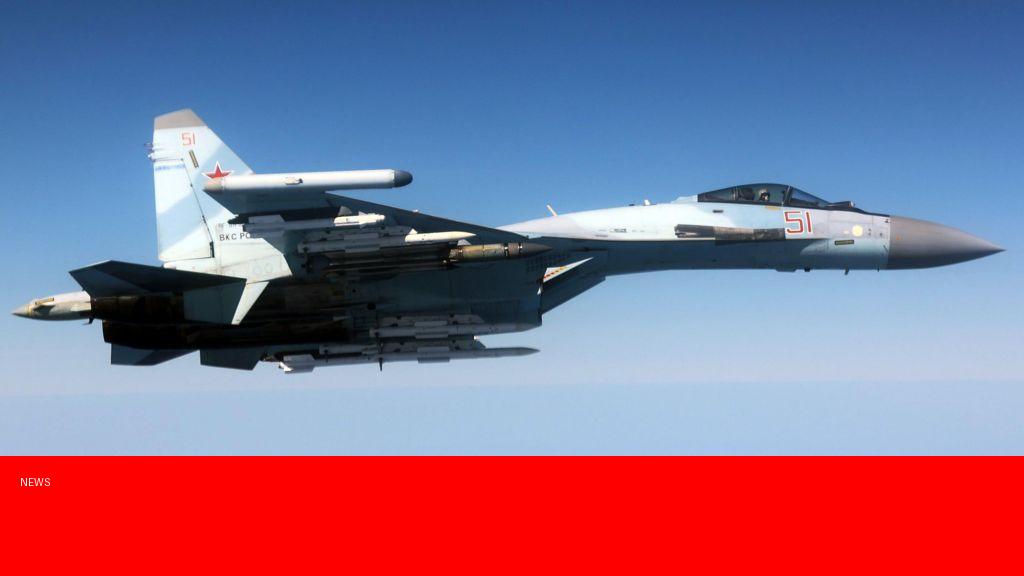
Russian fighter jets conducted a series of close and “dangerous” interceptions of a Royal Air Force (RAF) reconnaissance aircraft over the Black Sea. The Russian jets approached the British plane at dangerously close distances during a routine patrol, forcing the RAF crew to take evasive action. The incident occurred amid ongoing tensions between Russia and NATO forces in the region.
Why it matters
The actions of the Russian jets increase the risk of miscalculation and potential conflict in an already volatile region. Such aggressive interceptions threaten the safety of military personnel and could escalate military tensions between Russia and Western countries. This incident highlights the ongoing strategic contest in the Black Sea area, a critical region for European and global security.
Background
The Black Sea has become a hotspot for military activity since Russia’s annexation of Crimea in 2014. NATO routinely conducts reconnaissance and patrol missions to monitor Russian military movements and ensure the security of its member states in Eastern Europe. Russia, in turn, frequently responds with aggressive maneuvers. The RAF spy plane was conducting a surveillance mission as part of NATO’s efforts to deter further Russian expansion and gather intelligence on potential threats.
Questions and Answers
Q: What type of RAF aircraft was intercepted?
A: The intercepted aircraft was an RAF reconnaissance plane conducting a routine surveillance mission over the Black Sea.
Q: How close did the Russian jets get to the RAF plane?
A: The Russian jets approached at dangerously close distances, forcing the RAF crew to take evasive measures, although exact proximity details have not been disclosed for security reasons.
Q: Has this type of interception happened before?
A: Yes, there have been previous reports of Russian jets intercepting NATO aircraft over the Black Sea and nearby regions, often described as aggressive or dangerous maneuvers.
Q: What is the official response from the UK government?
A: The UK Ministry of Defence condemned the Russian actions as “dangerous” and emphasized the RAF’s commitment to maintaining safety and security during its operations.
Q: How does this incident affect NATO’s presence in Eastern Europe?
A: It reinforces NATO’s resolve to maintain a strong presence in the region, but also underscores the risks of heightened military engagement and the need for continued diplomatic efforts to reduce tensions.
Source: https://www.bbc.com/news/articles/cq8p40e2zx1o?at_medium=RSS&at_campaign=rss