What happened
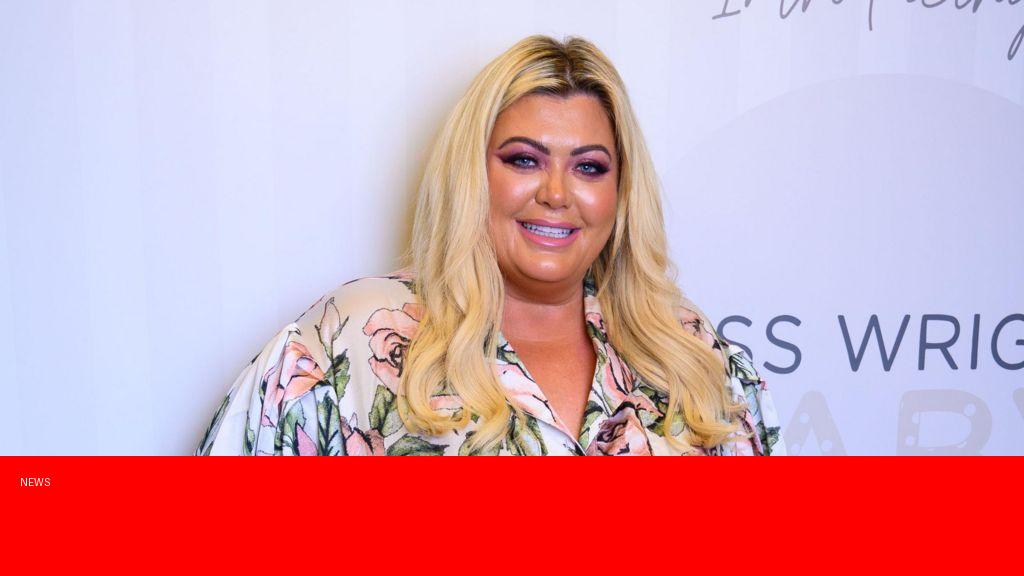
The UK Department for Education (DfE) has come under fire after releasing a series of promotional videos featuring reality TV star Gemma Collins. The videos, intended to encourage young people to pursue apprenticeships, have been criticized for their tone and content. Many viewers feel the campaign is inappropriate and undermines the seriousness of educational guidance, sparking a notable backlash on social media and from education professionals.
Why it matters
This controversy highlights the challenges government departments face when trying to engage younger audiences using popular culture figures. The backlash suggests that the method chosen by the DfE may have alienated its target demographic and damaged the credibility of its apprenticeship promotion efforts. Additionally, it raises questions about how government campaigns balance entertainment with educational value, which could affect future outreach strategies.
Background
The Department for Education frequently launches campaigns to address skills gaps and encourage youth participation in apprenticeships. In recent years, recruiting young people into vocational training has become a priority due to post-pandemic employment shifts and changes in the job market. The DfE partnered with Gemma Collins, known for her reality TV appearances, to create a fresh, relatable approach aimed at making apprenticeships more appealing.
Questions and Answers
Q: Why did the Department for Education choose Gemma Collins for this campaign?
A: The DfE aimed to leverage Gemma Collins’ popularity and relatable persona to engage younger audiences and make apprenticeships seem more accessible and appealing.
Q: What specifically was criticized about the videos?
A: Critics pointed to the videos’ informal, sometimes flippant tone, arguing it trivialized the importance of apprenticeships and failed to provide substantive information about vocational training.
Q: How has the DfE responded to the backlash?
A: The DfE has acknowledged the feedback and stated it will review the campaign’s effectiveness and consider adjustments to better meet the needs and expectations of young people and educators.
Q: What impact could this controversy have on future educational campaigns?
A: It may lead government bodies to carefully evaluate the choice of spokespersons and messaging styles in order to strike a better balance between relatability and seriousness, ensuring campaigns resonate without undermining their educational mission.
Source: https://www.bbc.com/news/articles/cd6pw448nqdo?at_medium=RSS&at_campaign=rss