What happened
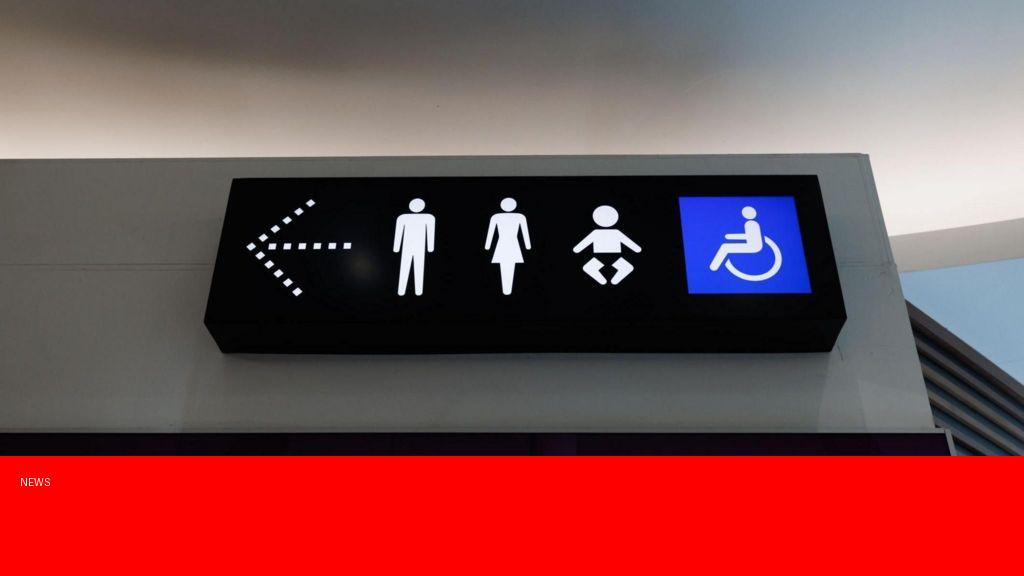
A recent government guidance has confirmed that toilets and changing rooms in public spaces must be used based on an individual’s biological sex rather than their gender identity. This directive applies across schools, workplaces, and other public facilities, requiring that separate facilities for males and females correspond to their sex at birth.
Why it matters
The guidance has sparked significant debate and concern among various groups. Supporters argue it protects the privacy and safety of all individuals, particularly women and children. Critics, including LGBTQ+ advocates, say the policy discriminates against transgender and non-binary people by denying them access to facilities that align with their gender identity. The decision will affect how public spaces are managed and may influence ongoing legal and social discussions around gender rights and inclusion.
Background
The issue of access to sex-segregated spaces has been a contentious topic in recent years due to growing awareness of transgender rights. Various countries have adopted different approaches, some allowing people to use facilities according to gender identity, while others enforce biological sex distinctions. The new guidance responds to pressures from legislators and advocacy groups concerned about privacy, safety, and the legal definitions of sex and gender. This development follows several high-profile debates and legal cases related to bathroom access and transgender rights.
Questions and Answers
Q: Who issued the guidance confirming biological sex-based use of toilets and changing rooms?
A: The guidance was issued by the relevant government department overseeing equality and public facility regulations.
Q: Does this guidance apply to all public facilities?
A: Yes, it applies broadly to schools, workplaces, and other public spaces where toilets and changing rooms are segregated by sex.
Q: What is the rationale behind requiring use based on biological sex?
A: The guidance cites privacy and safety concerns, asserting that sex-segregated facilities should align with biological sex to protect users.
Q: How have advocacy groups for transgender people responded?
A: Many advocacy groups have criticized the guidance as discriminatory and harmful to transgender and non-binary individuals.
Q: Could this guidance impact legal protections for transgender individuals?
A: It might influence ongoing legal interpretations and policies concerning the rights of transgender people in accessing public facilities.
Source: https://www.bbc.com/news/articles/c0e2rj3zj02o?at_medium=RSS&at_campaign=rss