What happened
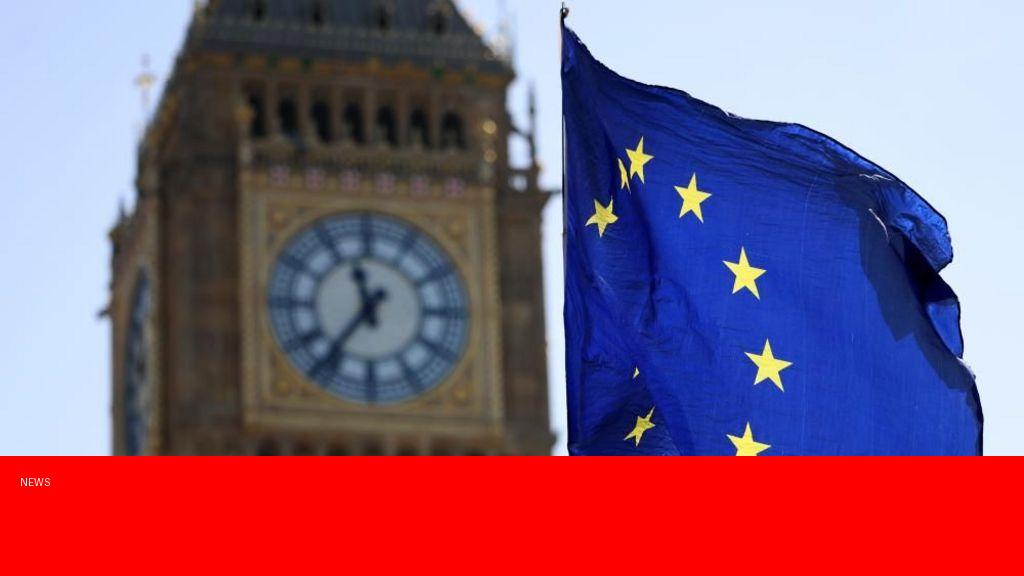
UK government officials have proposed reestablishing a single market for goods between the United Kingdom and the European Union. This suggestion involves closer regulatory alignment to facilitate trade, reduce customs checks, and maintain open supply chains. The proposal aims to address ongoing trade frictions that have emerged post-Brexit, particularly those affecting goods movement across the UK-EU border.
Why it matters
Reintroducing a single market for goods could significantly ease trade tensions and economic disruptions following Brexit. It would help businesses on both sides avoid tariffs and delays caused by customs procedures, potentially stabilizing supply chains and reducing costs. This move also signals a willingness by UK authorities to find practical solutions that balance sovereignty concerns with economic realities, which could influence future UK-EU relations and trade negotiations.
Background
Since the United Kingdom formally left the European Union in January 2020, it has operated outside the EU’s single market and customs union. This has led to new regulatory and customs barriers between the UK and EU member states, resulting in logistical challenges and trade slowdowns, especially for goods crossing the Irish border. Various trade agreements have been negotiated, yet businesses continue to experience difficulties. Calls for closer alignment have grown amid ongoing debates about the best approach to managing UK-EU trade relations.
Questions and Answers
Q: What exactly is the single market for goods?
A: The single market for goods is a trade area in which goods can move freely without tariffs, customs checks, or regulatory barriers, ensuring standardized rules and procedures across member countries.
Q: Why did the UK leave the single market originally?
A: The UK left the single market to regain full control over its laws, borders, and trade policies, as part of the Brexit referendum mandate to restore national sovereignty.
Q: How would this proposal affect UK sovereignty?
A: Aligning with EU regulations for goods could limit some unilateral regulatory control, but UK officials suggest it as a pragmatic step to prevent economic disruption while maintaining broader political independence.
Q: Has the EU responded to the UK’s suggestion?
A: As of now, the EU has acknowledged the proposal but emphasized that any changes must comply with existing agreements and respect the integrity of the single market.
Q: What are the next steps for this proposal?
A: The UK government plans to discuss the idea further with domestic stakeholders and engage in negotiations with the EU to explore possible arrangements and implementation details.
Source: https://www.bbc.com/news/articles/cr5plpm3g2ro?at_medium=RSS&at_campaign=rss