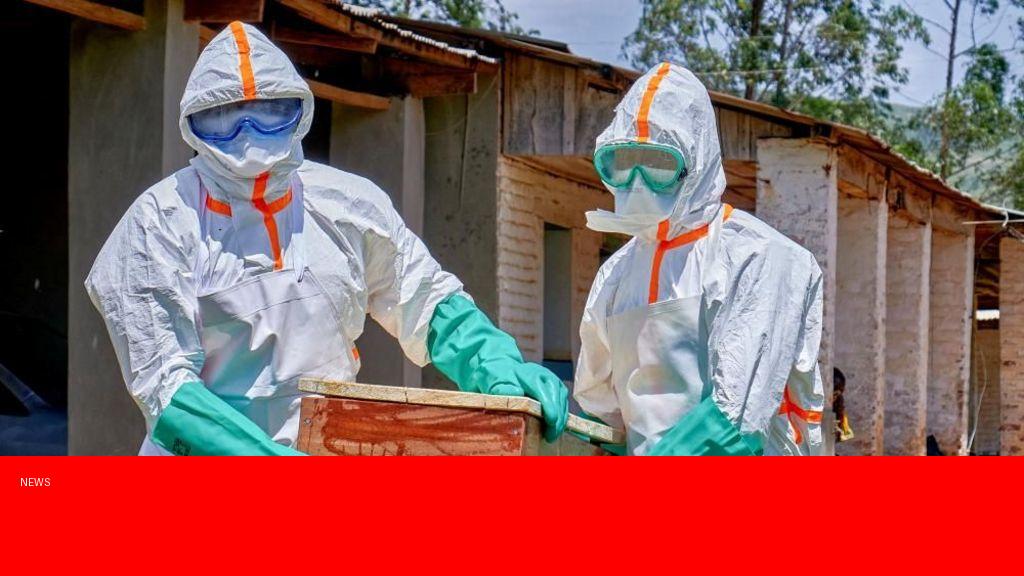
What happened
Police in the Democratic Republic of Congo (DR Congo) fired shots into the air to disperse an angry crowd gathered outside an Ebola treatment centre. The unrest occurred after rumors and misinformation about the virus spread among local residents, leading to heightened tensions and protests near the facility. Authorities intervened to prevent the situation from escalating further, using warning shots as a measure to restore order.
Why it matters
The incident highlights the challenges faced in managing public health crises in regions with complex social dynamics and mistrust of medical interventions. Disruptions at Ebola treatment centres can delay critical response efforts, potentially allowing the virus to spread further. Ensuring community cooperation is vital for effective containment and treatment, making incidents like this a significant obstacle to ending outbreaks.
Background
The Ebola virus remains a recurring threat in parts of Central Africa, with the DR Congo experiencing multiple outbreaks over the past decade. Treatment centres are established to isolate patients and provide care, but misinformation and fear often lead to resistance from local communities. Previous outbreaks have seen similar protests fueled by distrust of health workers, complicating response efforts. The government and international partners continue to work on public education and security measures to protect both healthcare staff and patients.
Questions and Answers
Q: Why were police forced to fire shots in the air?
A: Police fired shots into the air to disperse an angry crowd that had gathered around the Ebola treatment centre, aiming to prevent violence and maintain order.
Q: What are the dangers of protests near Ebola treatment centres?
A: Protests can interrupt treatment and containment efforts, increasing the risk of virus transmission and potentially leading to more cases.
Q: How do rumors contribute to unrest in these situations?
A: Rumors and misinformation can cause fear and mistrust, leading communities to reject medical help or react violently to health workers.
Q: What measures are in place to prevent such incidents?
A: Authorities often deploy security forces and engage in community outreach to educate the public and build trust surrounding Ebola response efforts.
Source: https://www.bbc.com/news/articles/c0l22pz6nw6o?at_medium=RSS&at_campaign=rss