What happened
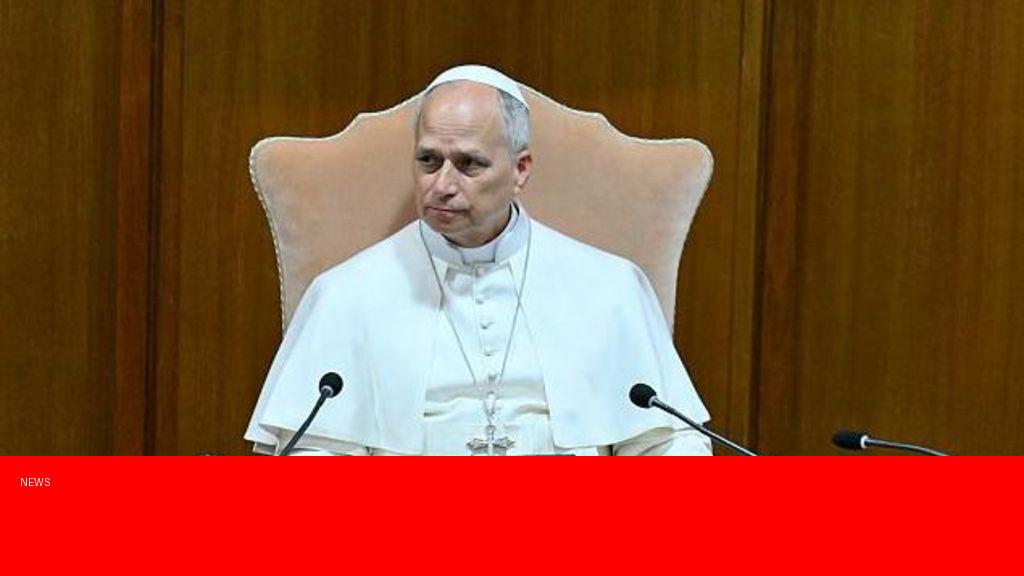
Pope Leo delivered a landmark statement urging the global community to “disarm” artificial intelligence (AI) in his first major teaching on the subject. The pontiff called for strict regulations and ethical guidelines to prevent AI from becoming a tool of harm or control. He emphasized the need for transparency, human-centered development, and safeguards to ensure AI benefits all humanity rather than exacerbating inequalities or threatening human dignity.
Why it matters
This declaration by Pope Leo marks a significant moment as a leading global religious figure addresses the rapidly evolving field of AI. His call to “disarm” AI highlights growing concerns about the technology’s potential misuse in areas such as surveillance, autonomous weapons, and manipulation of information. The Pope’s stance may influence policymakers, tech developers, and ethical bodies worldwide to prioritize responsible AI innovation that upholds moral values and human rights.
Background
Artificial intelligence has made tremendous advances in recent years, impacting industries from healthcare to finance. However, alongside opportunities, AI technologies raise ethical questions about privacy, security, bias, and control. Various governments and organizations are working to draft AI regulations, but consensus is still in flux. Pope Leo’s intervention comes amid increasing public debates on how to harness AI responsibly while curbing risks such as job displacement, misinformation, and lethal autonomous weapons systems.
Questions and Answers
Q: What does Pope Leo mean by “disarming” AI?
A: He is calling for measures to prevent AI from being used harmfully, particularly in military, surveillance, or manipulative contexts, through strict ethical guidelines and regulations.
Q: Why is the Pope’s viewpoint influential in the AI debate?
A: As a moral and spiritual leader to over a billion Catholics, Pope Leo’s teachings carry significant weight and can shape public opinion and policy discussions globally.
Q: Are there existing efforts to regulate AI?
A: Yes, multiple governments and international organizations are developing frameworks, but no universal, enforceable standard has yet been agreed upon.
Q: How might this announcement affect AI development?
A: It could encourage developers and policymakers to prioritize ethical AI design, transparency, and human rights protections in their work.
Source: https://www.bbc.com/news/articles/cedppn6002jo?at_medium=RSS&at_campaign=rss