What happened
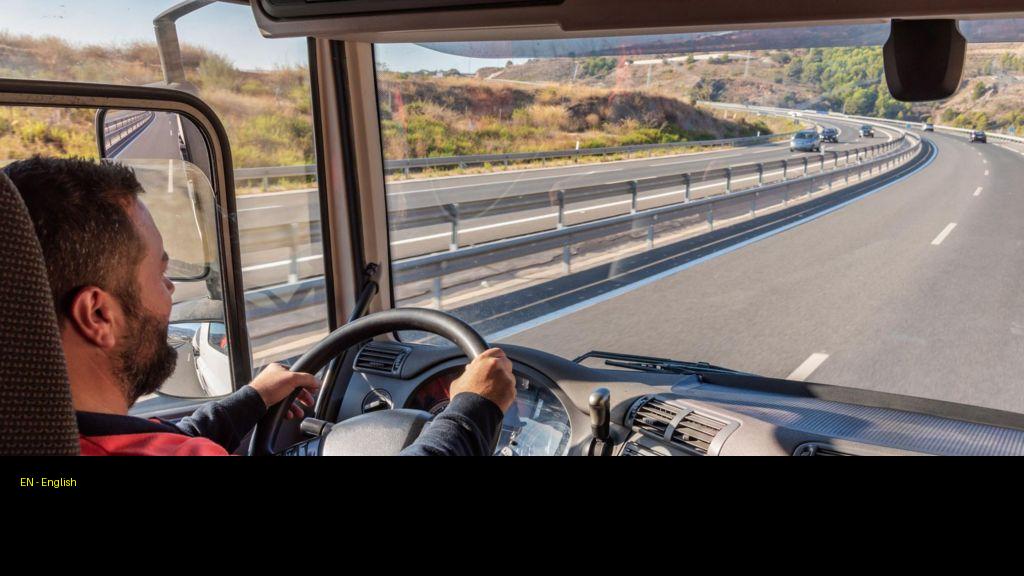
A leading global energy organization has issued new recommendations urging people around the world to work from home and drive more slowly to conserve energy. The call comes as countries face increasing energy shortages and rising fuel costs amid geopolitical tensions and climate-related disruptions. The body emphasized that reduced commuting and slower driving speeds can significantly lower fuel consumption and carbon emissions, helping to stabilize global energy markets and mitigate environmental impact.
Why it matters
The recommendations highlight urgent measures individuals can take to reduce energy demand during a period of heightened supply constraints. By encouraging remote work and more energy-efficient driving habits, the global body aims to ease pressure on strained energy infrastructures and reduce reliance on fossil fuels. This shift not only helps address immediate energy security concerns but also supports long-term climate goals by lowering greenhouse gas emissions. Widespread adoption of these practices could lead to notable decreases in urban air pollution and transportation-related energy use.
Background
In recent years, global energy markets have been disrupted by a combination of factors, including geopolitical conflicts, pandemic-related supply chain interruptions, and the accelerating impacts of climate change. Governments and international organizations have been seeking solutions to balance energy demand and supply while promoting sustainability. Remote work gained prevalence during the COVID-19 pandemic as a public health measure, revealing potential benefits for reducing commuter traffic and emissions. Similarly, the connection between driving speed and fuel efficiency is well-established, with slower speeds typically leading to lower fuel consumption. These insights have now been leveraged by the global body to propose practical, everyday actions for citizens worldwide.
Questions and Answers
Q: Which global body issued the recommendations?
A: The International Energy Agency (IEA) issued the recommendations.
Q: How much energy can be saved by driving slower?
A: Driving at reduced speeds, such as 10 to 20 km/h below typical highway speeds, can improve fuel efficiency by up to 20%, leading to significant energy savings.
Q: Is working from home effective in reducing overall energy consumption?
A: Yes, remote work reduces the need for daily commuting, thereby lowering fuel use and emissions associated with transportation.
Q: Are these recommendations meant to be long-term changes?
A: While primarily aimed at addressing current energy challenges, the global body suggests that adopting such practices more permanently could support ongoing climate objectives.
Q: How can individuals contribute beyond work habits and driving speed?
A: Individuals can further reduce energy consumption by using energy-efficient appliances, minimizing electricity use during peak hours, and supporting clean energy initiatives.
Source: https://www.bbc.com/news/articles/cvg4540d0g4o?at_medium=RSS&at_campaign=rss