What happened
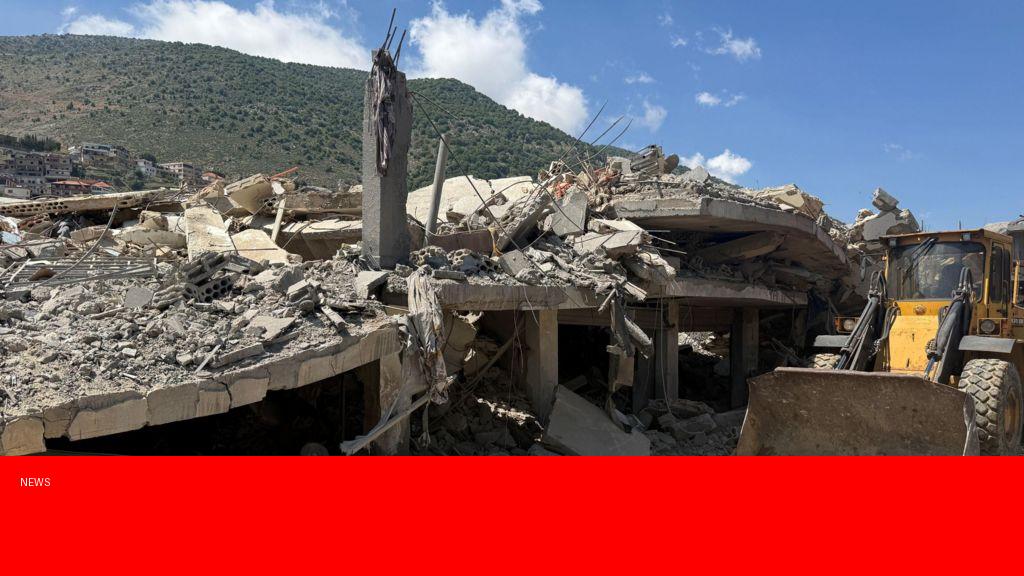
Eleven people were killed in a small village in southern Lebanon following a series of intensified strikes by Israel. The attacks targeted locations believed to be linked to militant groups, leading to significant casualties among civilians. The incident marks one of the deadliest episodes in the ongoing escalation between Israel and militant factions in the region.
Why it matters
The deaths in Lebanon highlight the widening scope and increasing intensity of the conflict, raising concerns over regional stability and the humanitarian toll on civilian populations. The escalation risks drawing Lebanon deeper into the conflict, potentially destabilizing the already fragile political and security situation in the country. International actors have expressed alarm, calling for restraint to prevent further loss of life and broader regional conflict.
Background
Tensions between Israel and militant groups based in Lebanon, primarily Hezbollah, have periodically flared over the years, with cross-border attacks and retaliations. Recent months have seen an uptick in violence, with Israel intensifying airstrikes targeting what it describes as militant infrastructure. Lebanon’s government has condemned the strikes, citing violations of its sovereignty and the danger posed to civilians. The conflict is part of a broader and complex regional struggle involving multiple actors and interests.
Questions and Answers
Q: Who were the victims in the Lebanese village?
A: The victims included eleven people, primarily civilians caught in the aftermath of the intensified Israeli strikes.
Q: What prompted Israel to increase its airstrikes in Lebanon?
A: Israel says the strikes target militant positions linked to groups like Hezbollah, aiming to reduce threats along its northern border.
Q: How has Lebanon’s government responded to the attacks?
A: Lebanon has condemned the strikes as violations of its sovereignty and called for international intervention to prevent further aggression.
Q: What is the potential impact of this escalation on the region?
A: The escalation risks broader conflict, increased instability in Lebanon, and can exacerbate tensions among neighboring countries and international stakeholders.
Q: Are there ongoing efforts to de-escalate the violence?
A: Various international actors have called for restraint and dialogue, but concrete steps toward de-escalation remain limited amid the continued hostilities.
Source: https://www.bbc.com/news/articles/cx211rgngp0o?at_medium=RSS&at_campaign=rss