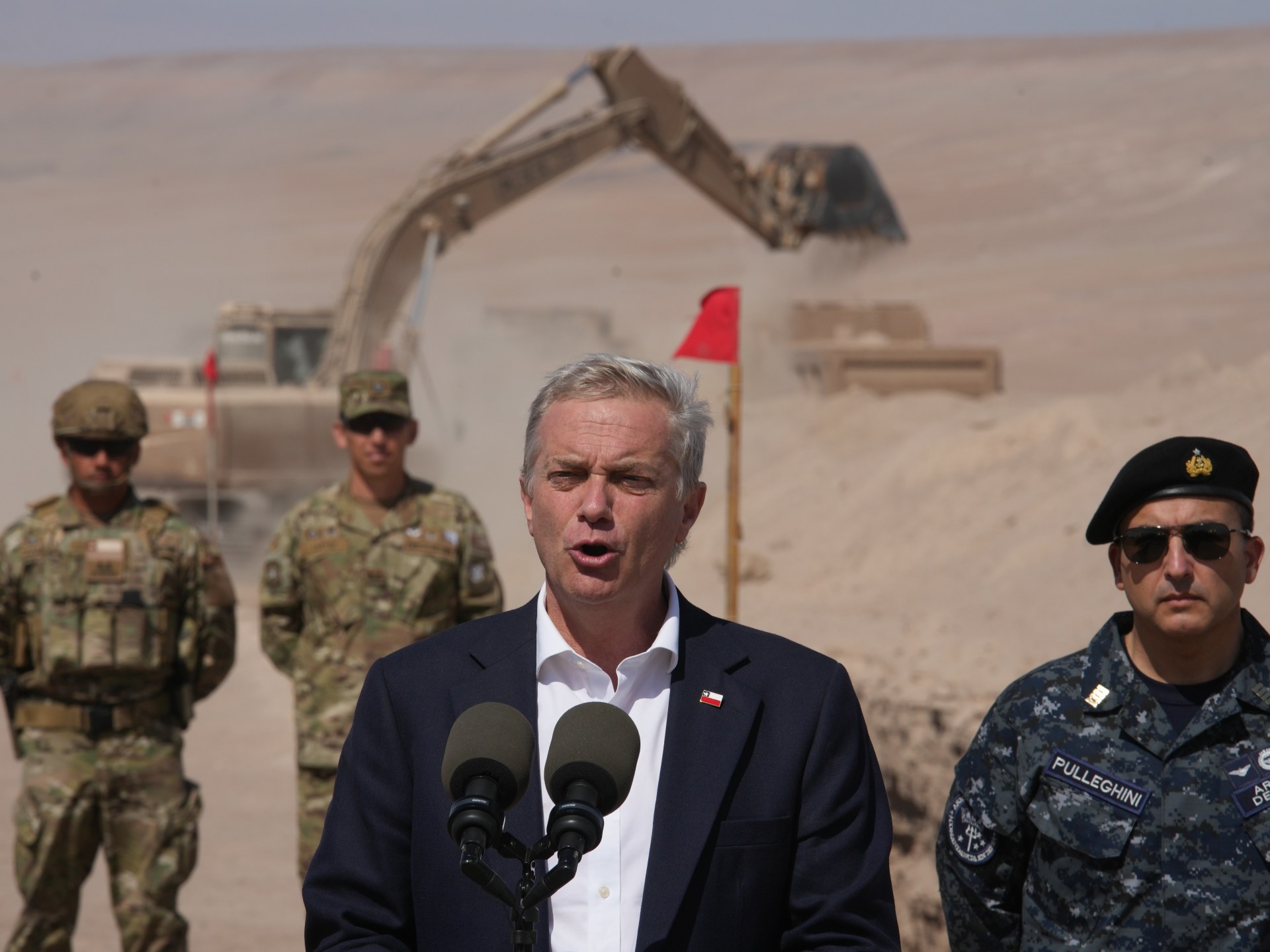
**Chile’s President Kast Rolls Back Dozens of Environmental Protections, Sparking Outcry**
**SANTIAGO, Chile** — Chilean President José Antonio Kast has moved to dismantle dozens of environmental protections, triggering sharp criticism from environmental groups, opposition politicians and Indigenous advocates who say the measures could weaken safeguards for ecosystems, water resources and local communities.
The rollback, announced as part of a broader push to streamline regulation and accelerate investment, affects a wide range of rules governing environmental review, land use and oversight of industrial and extractive projects. Supporters in the government say the changes are needed to reduce red tape, boost economic growth and attract mining, energy and infrastructure investment. Critics argue the move risks opening the door to greater pollution, habitat loss and social conflict in one of the world’s most environmentally diverse countries.
## What happened
The Kast administration has eliminated or weakened dozens of environmental rules and procedures that had previously shaped how large projects are approved and monitored in Chile. According to government officials, the reforms are intended to simplify permitting processes, shorten approval times and give businesses more certainty.
Among the concerns raised by watchdogs and activists are reductions in oversight requirements, narrower avenues for public participation in environmental reviews and changes that could make it easier for companies to advance projects in environmentally sensitive areas.
The government has framed the policy shift as a necessary correction to what it describes as an overly burdensome regulatory system that has slowed economic development. Chile’s economy depends heavily on natural resources, especially copper and lithium, and officials say cutting delays is essential if the country is to remain competitive.
## Why it matters
The decision is significant because Chile occupies a critical place in global environmental and economic debates. It is home to ecosystems ranging from the Atacama Desert to Patagonian glaciers and temperate rainforests, and it holds some of the world’s largest reserves of copper and lithium — minerals central to the global energy transition.
Environmental protections in Chile are closely tied to disputes over mining, water access, deforestation, salmon farming and energy projects. Weakening those protections could have far-reaching consequences for biodiversity, rural livelihoods and Indigenous communities, especially in areas where industrial development and environmental conservation already collide.
The rollback also matters politically. It marks a clear ideological shift toward deregulation under Kast and is likely to intensify tensions between the government and social movements that have long argued Chile’s development model places too much strain on land and water resources.
## Background
Chile has spent years debating how to balance environmental protection with economic growth. Previous governments expanded environmental institutions, tightened review procedures and responded to public pressure for stronger regulation after conflicts over coal plants, dams, mining operations and water scarcity.
Environmental issues have become increasingly urgent as Chile faces prolonged drought, glacier retreat and the effects of climate change. Water rights and resource extraction have been especially sensitive topics, with Indigenous groups and local residents often accusing companies — and at times the state — of ignoring ecological damage and community concerns.
Kast, a conservative leader, campaigned on promises to restore order, support business and reduce regulation. His environmental rollback fits within that broader agenda, which prioritizes investment and economic activity over what his supporters see as bureaucratic obstacles.
Opponents, however, warn that stripping away protections may deepen long-standing structural problems, particularly in regions where mining and agriculture already compete for scarce water and where enforcement has historically been uneven.
## Reaction
Environmental organizations condemned the changes, saying the administration is sacrificing long-term sustainability for short-term economic gain. Some legal experts have also questioned whether parts of the rollback could face court challenges if they are seen as violating constitutional or administrative norms.
Business groups and industry representatives, by contrast, welcomed the move. They argue Chile’s approval system has become unpredictable and costly, discouraging major projects and undermining the country’s position in key global industries.
The political fallout is still unfolding, but the issue is expected to become a major point of conflict in Congress, in the courts and on the streets.
## Q&A
**Q: What exactly did President Kast do?**
**A:** His administration removed or weakened dozens of environmental protections and regulatory procedures, arguing that the changes will speed up project approvals and reduce bureaucracy.
**Q: Why is this controversial?**
**A:** Critics say the rollback could make it easier for polluting or environmentally damaging projects to move forward with less oversight and less public input.
**Q: Why is Chile especially affected by environmental policy changes?**
**A:** Chile has fragile ecosystems, severe water stress and a major extractive economy centered on mining and energy. Environmental rules have a direct impact on both conservation and economic development.
**Q: Who supports the rollback?**
**A:** Business sectors and government allies who believe environmental permitting has become too slow and restrictive.
**Q: Who opposes it?**
**A:** Environmental groups, many opposition politicians, legal advocates and Indigenous organizations concerned about ecological harm and weakened protections for communities.
**Q: What could happen next?**
**A:** The measures could face legal and political challenges, and the debate is likely to shape Chile’s broader struggle over how to balance growth, climate pressures and environmental stewardship.