What happened
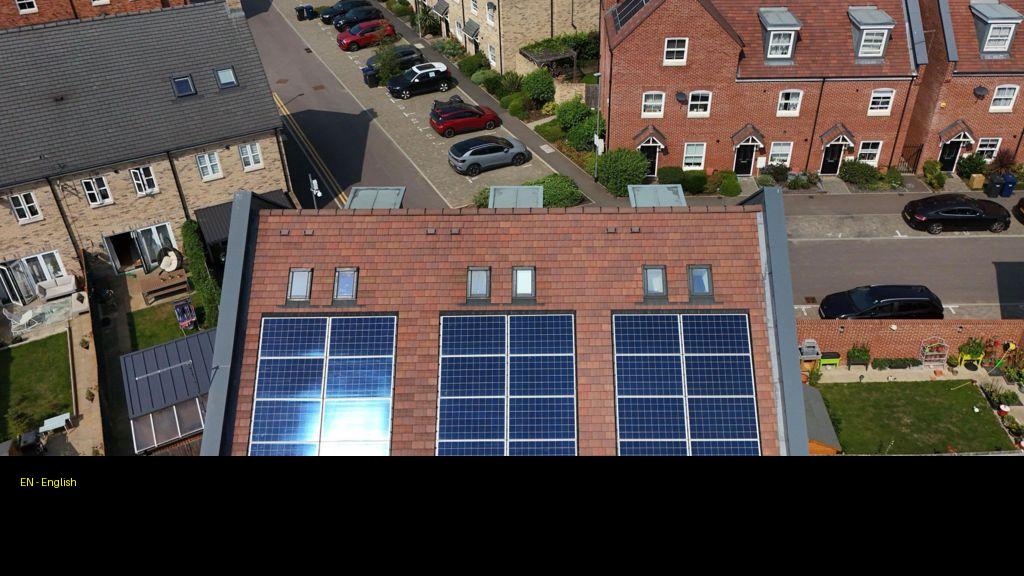
The government has announced new regulations mandating that all new homes must be equipped with heat pumps, and that plug-in solar panels will become a standard feature in residential construction. This move is part of an ambitious green technology drive aimed at reducing carbon emissions and promoting sustainable energy use across the country. Builders will be required to install these energy-efficient systems starting from the next fiscal year, with incentives provided to accelerate adoption.
Why it matters
This initiative represents a significant step forward in the fight against climate change, targeting the residential sector which accounts for a substantial portion of energy consumption and greenhouse gas emissions. By integrating heat pumps and solar technologies into new homes, the government aims to lower reliance on fossil fuels, reduce household energy bills, and contribute to national carbon neutrality goals. Additionally, this policy is expected to stimulate growth in the green technology industry, creating jobs and fostering innovation.
Background
The push for greener building standards has gained momentum globally in response to escalating climate crises and international commitments such as the Paris Agreement. Heat pumps, which efficiently transfer heat rather than generate it, have emerged as a preferred alternative to traditional gas or electric heating. Meanwhile, solar panel installations have become more affordable and accessible, enabling homeowners to generate clean electricity. Previous government programs have incentivized energy-efficient upgrades, but this is the first time such technologies will be mandated for all new residential developments.
Questions and Answers
Q: When will the new regulations requiring heat pumps and solar panels take effect?
A: The regulations will be enforced starting from the next fiscal year, giving builders time to comply.
Q: Will existing homes be affected by these new requirements?
A: No, the mandate currently applies only to new homes; however, incentives for upgrading existing homes may be introduced separately.
Q: How will this policy affect construction costs?
A: While initial construction costs may rise due to the installation of heat pumps and solar panels, these expenses are expected to be offset over time by energy savings and government incentives.
Q: What support is available for builders and homeowners to adopt these technologies?
A: The government plans to offer financial incentives and technical assistance programs to facilitate smooth adoption and encourage widespread implementation.
Q: How does this initiative align with broader climate goals?
A: It supports the country’s commitment to reduce carbon emissions and transition to sustainable energy sources, contributing to the achievement of national and international environmental targets.
Source: https://www.bbc.com/news/articles/czjw7klkjm2o?at_medium=RSS&at_campaign=rss