What happened
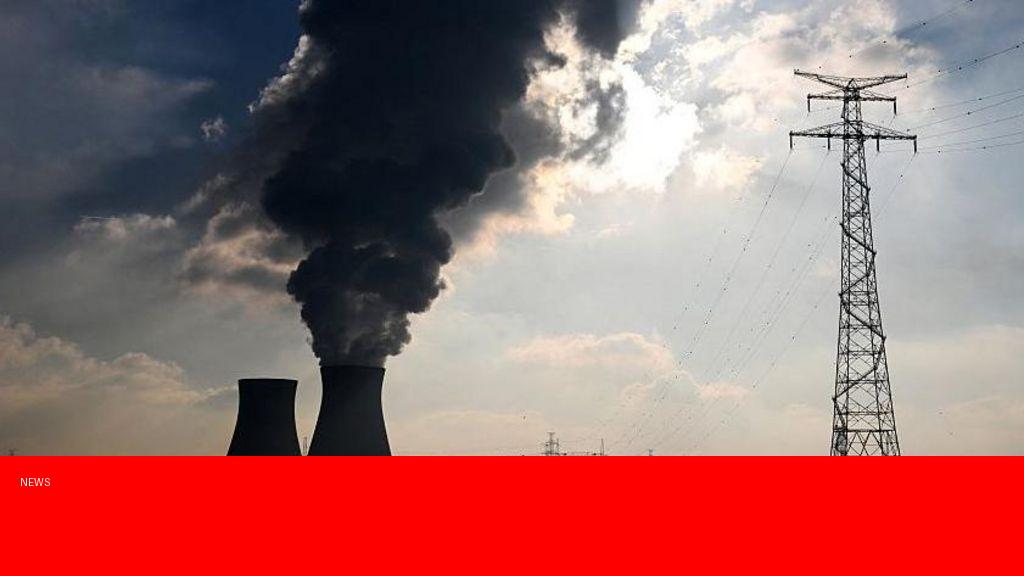
Facing a fresh energy crisis triggered by geopolitical tensions and soaring fuel prices, several European countries are reconsidering the role of nuclear power in their energy strategies. Governments across the continent are debating whether to extend the lifespan of existing nuclear plants, invest in new reactors, and ease regulatory hurdles to accelerate nuclear energy development. This shift marks a notable change in energy policy, as many EU nations had previously committed to phasing out nuclear power in favor of renewables.
Why it matters
The reconsideration of nuclear energy could significantly alter Europe’s energy landscape amid urgent demands for energy security and carbon emission reductions. Nuclear power offers a stable, low-carbon energy source that can help reduce reliance on imported fossil fuels, which have become increasingly scarce and expensive due to geopolitical conflicts. However, nuclear energy also raises concerns about radioactive waste, high costs, and safety risks. The decisions made now will influence Europe’s ability to meet climate goals, protect consumers from volatile energy prices, and maintain industrial competitiveness in a turbulent global market.
Background
Over the past decade, many European countries, including Germany and Belgium, have pursued policies to phase out nuclear power, favoring renewable sources like wind and solar. However, renewables alone have struggled to guarantee consistent energy supply, especially during periods of low wind or sunlight. The recent energy shock, sparked by the war in Ukraine and subsequent restrictions on Russian gas supplies, has exposed vulnerabilities in Europe’s energy system. This has forced policymakers to revisit nuclear power as a potential component of a more resilient and diversified energy mix.
Questions and Answers
Q: Why did Europe want to phase out nuclear power in the first place?
A: Many European countries aimed to phase out nuclear power due to safety concerns, the high costs of plant maintenance, and challenges related to radioactive waste disposal. Public opposition, especially after incidents like the Fukushima disaster in 2011, also influenced the decision to transition towards renewable energy sources.
Q: How can nuclear power help with Europe’s energy security?
A: Nuclear power provides a stable and reliable source of electricity that is less dependent on imports of fossil fuels such as natural gas. This stability is crucial during supply disruptions and price spikes caused by geopolitical conflicts, contributing to a more secure and predictable energy supply.
Q: What are the main concerns about expanding nuclear energy in Europe?
A: Key concerns include the management of radioactive waste, the risk of nuclear accidents, the high upfront costs and long construction times for new reactors, and potential public resistance. Additionally, there are debates about whether investing in nuclear power detracts from accelerating renewable energy development.
Q: Which countries are leading the push to revive nuclear power?
A: Countries like France, which already relies heavily on nuclear energy, are advocating for new investments, while others such as Poland and the Czech Republic are considering joining nuclear development to reduce dependence on fossil fuels and enhance energy independence.
Q: What does this shift mean for Europe’s climate goals?
A: Incorporating nuclear power can help Europe reduce greenhouse gas emissions by providing low-carbon electricity, supporting the transition away from coal and gas. However, balancing nuclear expansion with renewable energy growth will be critical to meeting both environmental targets and ensuring a sustainable energy future.
Source: https://www.bbc.com/news/articles/c4g8k8vq8gno?at_medium=RSS&at_campaign=rss