What happened
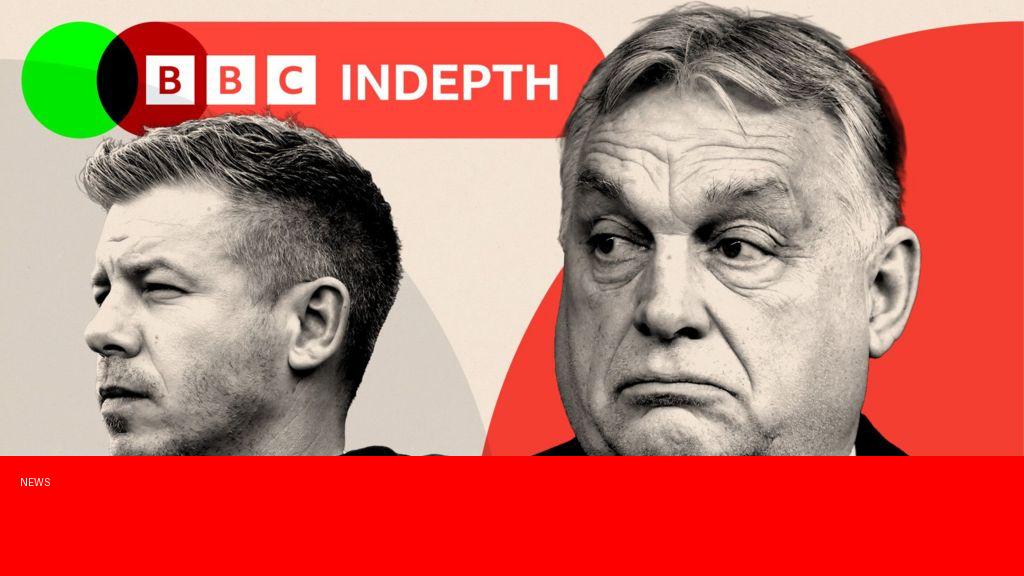
After 16 consecutive years as Hungary’s Prime Minister, Viktor Orban faces a significant challenge in the upcoming general elections. For the first time in over a decade, a united opposition coalition has emerged, aiming to unseat Orban’s ruling Fidesz party. This coalition, composed of six diverse parties ranging from left-wing to center-right, has consolidated their efforts to present a single candidate for prime minister and a joint platform, seeking to end Orban’s long-standing dominance.
Why it matters
The 2024 elections carry profound implications not only for Hungary’s domestic politics but also for the broader European Union. Orban’s tenure has been marked by increasingly nationalist and authoritarian policies, which critics argue undermine democratic norms and EU values. A change in leadership could lead to a dramatic shift in Hungary’s governance style, potentially restoring democratic checks and balances and altering Hungary’s stance within the EU. Conversely, Orban’s continued rule might further entrench illiberal policies, impacting human rights, media freedom, and judicial independence.
Background
Viktor Orban first became Prime Minister in 1998 and returned to power in 2010 with a supermajority that allowed him to rewrite Hungary’s constitution and reshape its institutions. His Fidesz party has since consolidated control over the media, judiciary, and electoral processes. Opponents accuse Orban of curtailing press freedom and fostering corruption, while his supporters praise his economic policies and nationalist rhetoric that emphasize Hungary’s sovereignty and cultural identity. Over the years, various opposition groups have struggled to unite against Fidesz, which has contributed to Orban’s sustained hold on power.
Questions and Answers
Q: What is the opposition coalition’s strategy to defeat Orban?
A: The coalition’s main strategy is to avoid splitting the opposition vote by presenting a unified front with a single prime ministerial candidate and coordinated electoral lists across constituencies.
Q: How has Orban maintained power for so long?
A: Orban’s Fidesz party has benefited from a combination of electoral system advantages, media dominance, control over state institutions, and appealing to nationalist sentiments among voters.
Q: What role does the European Union play in Hungary’s political situation?
A: The EU has criticized Hungary for backsliding on democracy and rule of law and has triggered funding conditionalities, but its influence is limited by Hungary’s insistence on sovereignty and Orban’s resistance to external pressure.
Q: Could this election impact Hungary’s relationship with the EU?
A: Yes, a government change could improve relations with the EU by aligning Hungary more closely with European democratic standards, whereas another Orban term would likely keep tensions high.
Q: When will the election take place?
A: The Hungarian general election is scheduled for April 2024.
Source: https://www.bbc.com/news/articles/czd7y1n3jyjo?at_medium=RSS&at_campaign=rss