What happened
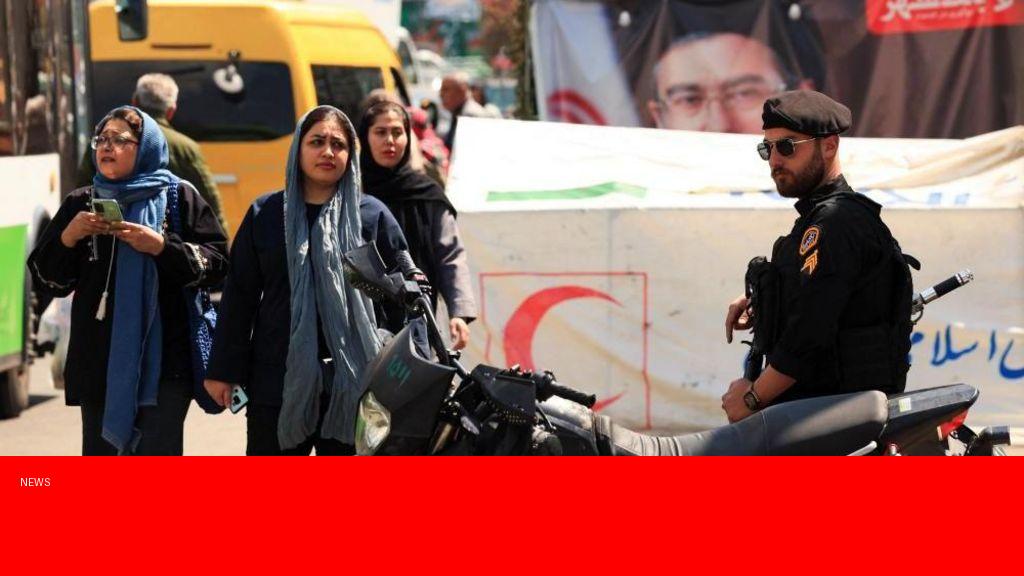
Lyse Doucet, BBC’s chief international correspondent, reported from Iran on the fragile ceasefire currently in place amid ongoing tensions between Iran and the United States. While diplomatic efforts continue behind the scenes, many Iranians remain skeptical about whether a lasting deal with the US can actually be achieved. The ceasefire has slowed hostilities temporarily, but the path to a comprehensive agreement remains uncertain.
Why it matters
The potential US-Iran deal carries significant implications for regional stability, global oil markets, and international security. If successful, it could ease tensions in the Middle East, reduce the risk of military conflict, and lead to the lifting of economic sanctions on Iran—which would impact both Iran’s economy and global trade. Conversely, failure could escalate conflicts, impede diplomatic progress, and prolong regional instability.
Background
In recent years, relations between the US and Iran have been strained, particularly after the US withdrew from the 2015 nuclear deal (JCPOA) in 2018 and reimposed sanctions. Iran has since expanded its nuclear activities, prompting international concern. Diplomatic efforts to revive the JCPOA have been underway intermittently, with negotiations involving multiple parties aiming to establish a framework that addresses both Iran’s nuclear program and regional security issues. Amid this context, a fragile ceasefire was declared, providing a temporary pause in direct confrontations while talks continue.
Questions and Answers
Q: What is the current status of the ceasefire between Iran and the US?
A: The ceasefire is fragile and has temporarily reduced hostilities, but it is not a permanent peace agreement. Both sides continue to engage in diplomatic talks to reach a more comprehensive deal.
Q: Why are many Iranians doubtful that a US deal can be done?
A: Years of mistrust, failed negotiations, and the impact of past sanctions have caused skepticism among Iranians about whether the US will follow through on any agreement or whether it will benefit the country.
Q: What could a successful deal mean for the region?
A: It could lead to decreased tensions, open the door for economic cooperation, stabilize oil markets, and reduce the risk of military conflict in the Middle East.
Q: Who are the main international actors involved in the negotiations?
A: Besides the US and Iran, key players include the European Union member states, Russia, and China, all of whom have stakes in the nuclear deal and regional stability.
Source: https://www.bbc.com/news/articles/c4g44gj7rgno?at_medium=RSS&at_campaign=rss