What happened
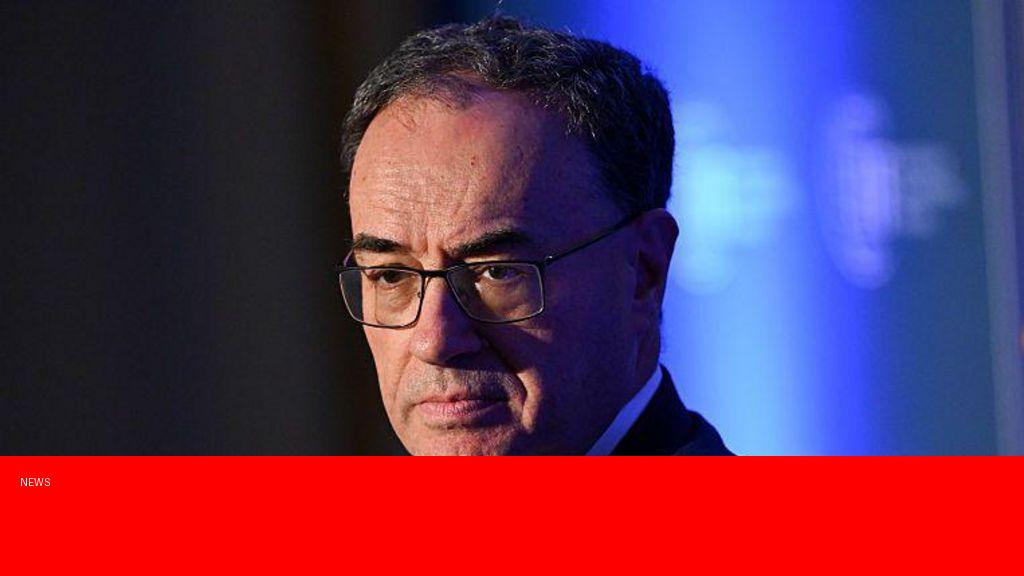
The Governor of the Bank of England told the BBC that he does not plan to rush the process of raising interest rates. He emphasized a cautious approach to monetary policy, indicating that any increases will be gradual and carefully considered to avoid destabilizing the economy.
Why it matters
Interest rate decisions directly affect borrowing costs for consumers and businesses, influencing inflation, spending, and economic growth. The Bank of England’s measured stance aims to balance inflation control with supporting economic recovery. A cautious approach could provide stability and predictability for markets and households amid ongoing economic uncertainty.
Background
The Bank of England has been gradually increasing interest rates from historic lows set during the pandemic to counter rising inflation. Central banks worldwide are navigating the challenge of tightening monetary policy without triggering recession. Recent economic data and global events continue to shape the Bank’s approach to managing inflation and growth in the UK economy.
Questions and Answers
Q: Why is the Bank of England raising interest rates?
A: To control inflation by making borrowing more expensive, thereby slowing down spending and price increases.
Q: How might this cautious approach affect consumers?
A: It could prevent sudden hikes in mortgage and loan rates, giving consumers more time to adjust financially.
Q: What risks does the Bank of England face if it raises rates too quickly?
A: Rapid increases could slow economic growth too much, potentially leading to higher unemployment and recession.
Source: https://www.bbc.com/news/articles/cn5330l73y2o?at_medium=RSS&at_campaign=rss