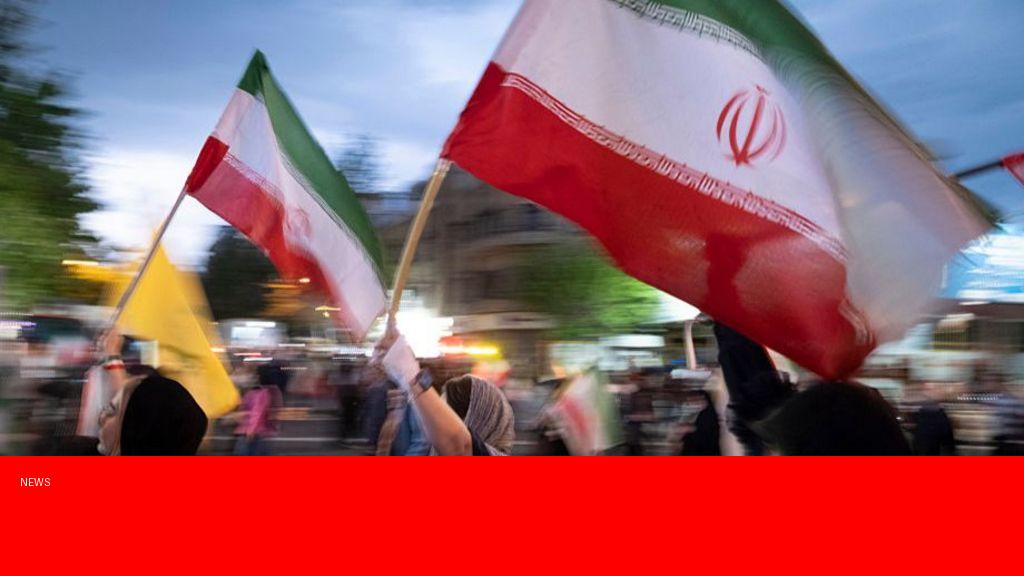
What happened
In recent weeks, a growing number of Iranians have expressed concerns that the regime in Tehran has become more deeply entrenched and is preparing to exact revenge on its critics. Following a series of violent crackdowns on protests and increased governmental control over media and civil society, many citizens fear that the authorities are consolidating power more aggressively than ever before. Reports indicate heightened surveillance, arrests of activists, and a surge in intimidating rhetoric from officials, fueling anxieties among the population about the regime’s long-term plans.
Why it matters
This development is significant because it signals a shift in the regime’s approach towards dissent and opposition, potentially leading to more severe human rights violations and political repression. The entrenchment of the government and its apparent readiness for revenge could discourage public dissent, stifle reform movements, and deepen social divisions within the country. Furthermore, increased instability and repression in Iran could have broader regional impacts, affecting international relations and the ongoing discourse on democracy and human rights in the Middle East.
Background
Iran has experienced waves of political unrest over the past decades, with protests frequently met with harsh reprisals from the regime. The 2019 nationwide protests, sparked by fuel price hikes, resulted in hundreds of deaths and thousands of arrests. Since then, the government has tightened its grip on power through increased censorship, arrests of journalists and activists, and a strengthened security apparatus. The latest fears emerge amid a backdrop of economic hardship and frustration over stalled reforms, as well as a leadership that appears more focused on maintaining control than engaging with the public’s demands for change.
Questions and Answers
Q: What has triggered the recent fears among Iranians about the regime’s entrenchment?
A: The fears have been triggered by recent government crackdowns on protests, increased arrests of activists, intensified surveillance measures, and harsh rhetoric from officials signaling a readiness to retaliate against dissent.
Q: How might this affect the daily lives of ordinary Iranians?
A: Ordinary Iranians may face greater restrictions on freedom of speech, increased surveillance, arbitrary arrests, and a climate of fear that undermines social cohesion and personal safety.
Q: What could this mean for Iran’s political future?
A: It could mean prolonged authoritarian rule with limited prospects for political reform, increased repression of opposition, and diminished space for civil society to operate freely.
Q: How is the international community responding to these developments?
A: Many international human rights organizations have condemned the crackdown, while some governments have imposed sanctions or called for diplomatic pressure. However, responses vary and ongoing geopolitical complexities affect the level and effectiveness of international intervention.
Source: https://www.bbc.com/news/articles/clyp6xxyvzyo?at_medium=RSS&at_campaign=rss