What happened
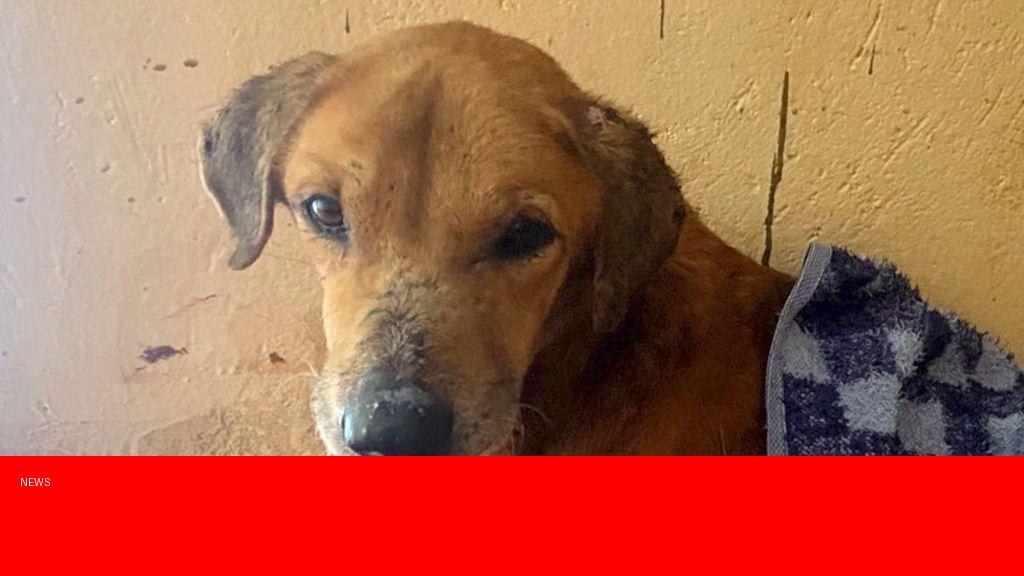
The BBC has uncovered a disturbing scam in Uganda where fraudsters are exploiting dogs to trick animal lovers into making donations. These scammers use images and stories of mistreated or homeless dogs to solicit money from compassionate individuals, but the funds rarely reach the animals’ welfare. Instead, the scammers pocket the donations for their own benefit.
Why it matters
This scheme undermines genuine animal rescue efforts and exploits the goodwill of people worldwide who want to help vulnerable animals. It also damages trust in legitimate charities, making donors hesitant to contribute to future animal welfare campaigns. The scam diverts resources away from real rescue organizations, harming dogs that are genuinely in need of assistance.
Background
Animal rescue scams have been reported in various parts of the world, often involving fabricated stories or manipulated images to elicit sympathy. In Uganda, where poverty is prevalent and animal welfare infrastructure is limited, such scams can thrive. The BBC’s investigation highlights how the scammers operate via social media and messaging platforms, using emotional appeals to attract donations from unsuspecting supporters globally.
Questions and Answers
Q: How do the scammers use dogs to get donations?
A: They create false stories and images showing dogs in distress, encouraging animal lovers to donate money supposedly for the dogs’ care.
Q: Are the dogs receiving any help?
A: No, the majority of the funds go to the scammers, and the dogs often remain in poor conditions or are unaffected by the donations.
Q: How can people avoid falling victim to such scams?
A: Donors should verify the legitimacy of organizations before donating, look for registered charities, and be cautious of appeals that rely heavily on emotional manipulation without verifiable information.
Q: What has been done to stop these scams?
A: Awareness campaigns and investigations like the BBC’s expose aim to educate the public, while authorities in some regions are increasing efforts to identify and prosecute scammers.
Source: https://www.bbc.com/news/articles/c4g9l74wvd7o?at_medium=RSS&at_campaign=rss