What happened
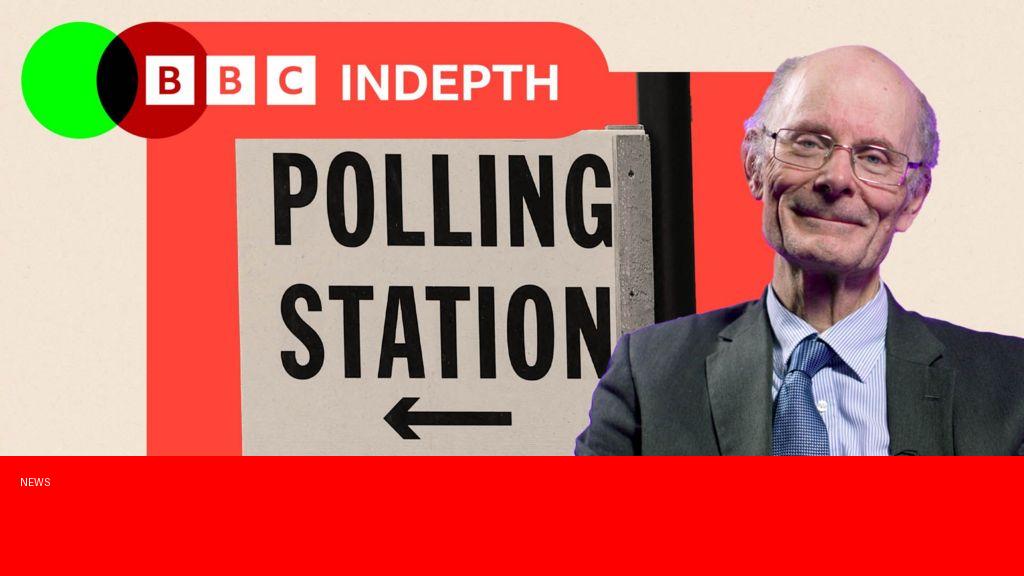
The winner-takes-all voting system in the United Kingdom has significantly influenced recent election outcomes, disadvantaging both the Labour and Conservative parties despite their substantial shares of the popular vote. In the latest general election, both parties secured a large percentage of overall votes; however, the distribution of seats in Parliament did not reflect this proportionally. Instead, the system amplified victories in certain constituencies while marginalizing others, leading to debates about the fairness and representativeness of the current electoral framework.
Why it matters
This issue matters because the winner-takes-all system—also known as first-past-the-post—can distort democratic representation, potentially sidelining significant portions of the electorate. For Labour and the Conservatives, this system magnifies regional dominance but penalizes widespread but thin voter support. As a result, policies and national leadership may not accurately mirror the preferences of the entire population. The imbalance affects governance legitimacy and fuels calls for electoral reform, which could reshape the UK’s political landscape.
Background
The UK has employed the winner-takes-all voting system for general elections for decades. Under this system, the candidate with the most votes in each electoral district wins the seat, regardless of whether they secure an absolute majority. While this method tends to create clear parliamentary majorities and stable governments, critics argue it marginalizes smaller parties and distorts the relationship between vote shares and seat allocation. Both Labour and the Conservative parties have experienced fluctuations under this system, which can benefit strongholds while penalizing diversified voter bases.
Questions and Answers
Q: How does the winner-takes-all system disadvantage Labour and the Conservatives?
A: It disadvantages them by converting votes into seats unevenly. If their vote is spread thinly across many constituencies without majority wins, they gain fewer seats despite significant vote totals.
Q: Why do some voters and politicians call for electoral reform?
A: They believe the current system does not fairly represent voters’ preferences, potentially ignoring sizable support groups and leading to less democratic outcomes.
Q: Are there alternatives to the winner-takes-all system?
A: Yes, alternatives include proportional representation and the single transferable vote system, both of which aim to align seat distribution more closely with the popular vote.
Q: Have any reforms been implemented in the UK to address this issue?
A: While minor reforms occur at local levels, no major overhaul to the general election voting system has been adopted, though the debate remains active among political groups.
Q: What could be the impact if the UK switched to a proportional representation system?
A: It could lead to more coalition governments, broader representation of smaller parties, and potentially more consensus-driven policymaking, but might also reduce governmental stability.
Source: https://www.bbc.com/news/articles/cdxpqyndqwlo?at_medium=RSS&at_campaign=rss