What happened
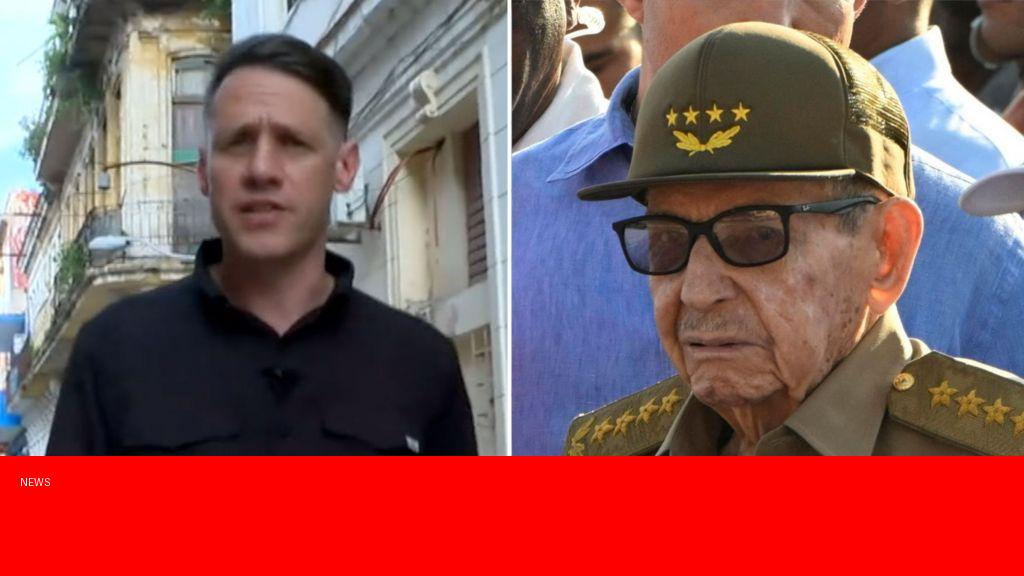
The BBC has reported from Cuba following the United States Department of Justice’s announcement of criminal charges against former Cuban leader Raúl Castro. The charges allege involvement in various illegal activities, marking a significant escalation in U.S.-Cuba relations. The BBC team captured reactions from Cuban citizens, officials, and experts amid growing tensions driven by this legal action.
Why it matters
This development is critical as it signals a shift in the U.S. approach toward Cuba’s leadership, with legal measures replacing, or complementing, previous diplomatic efforts and sanctions. The charges against Raúl Castro could strain the already fragile relationship between the two countries, impact diplomatic negotiations, and influence geopolitical dynamics in the region. It also raises questions about accountability for former government officials and may set precedents for other international legal actions.
Background
Raúl Castro, who served as Cuba’s president from 2008 to 2018, remains a powerful figure in Cuban politics as the head of the Communist Party. The U.S. government has maintained a complex and often adversarial stance towards Cuba for decades, including an economic embargo and diplomatic isolation. Recent years have seen fluctuating attempts at rapprochement, but unresolved disputes—particularly concerning human rights and political freedoms—have persisted. The DOJ’s announcement marks one of the most direct legal confrontations with Cuba’s former leadership in recent history.
Questions and Answers
Q: What specific charges have been brought against Raúl Castro?
A: The U.S. Department of Justice has not publicly detailed the exact charges in the initial announcement, but they reportedly relate to alleged criminal activities committed during his tenure.
Q: How has the Cuban government responded to the charges?
A: Official Cuban sources have condemned the charges as politically motivated and an infringement on Cuba’s sovereignty, calling for respect in international relations.
Q: What might this mean for future U.S.-Cuba relations?
A: The charges could harden positions on both sides, potentially complicating diplomatic efforts, but also might push for more concrete negotiations depending on subsequent political developments.
Q: How have ordinary Cubans reacted to the news?
A: Reactions vary, with some expressing skepticism or concern about increasing tensions, while others view the charges as validation of long-standing criticisms of the Castro regime.
Q: Is there any precedent for such charges against former foreign leaders?
A: Yes, international legal actions against former leaders exist but are relatively rare and often controversial, depending on geopolitical contexts and diplomatic considerations.
Source: https://www.bbc.com/news/videos/cy529g5lnleo?at_medium=RSS&at_campaign=rss