What happened
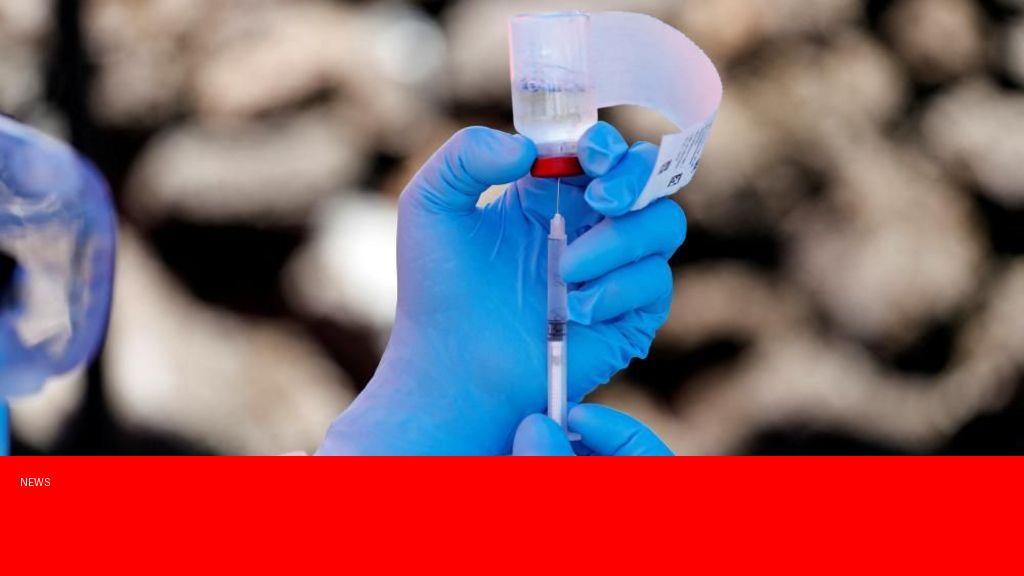
The World Health Organization (WHO) has officially declared the ongoing Ebola outbreak in the Democratic Republic of Congo (DR Congo) a global health emergency. This declaration signals the severity and international risk posed by the outbreak, which has affected multiple regions within the country. The announcement comes after recent increases in the number of confirmed cases and deaths, raising concerns about the potential for widespread transmission beyond DR Congo’s borders.
Why it matters
Declaring the Ebola outbreak a global health emergency elevates the international response and mobilizes more resources to contain the virus. It urges countries worldwide to enhance surveillance, prepare health systems, and cooperate on research and vaccine distribution. This designation aims to prevent a wider epidemic that could destabilize global health security, disrupt economies, and overwhelm healthcare infrastructures, especially in vulnerable and neighboring regions.
Background
Ebola is a highly contagious and often fatal viral disease, transmitted through direct contact with bodily fluids of infected individuals or contaminated objects. DR Congo has experienced multiple Ebola outbreaks over the past two decades, with the current episode beginning in early 2024. Health authorities have faced challenges including insecurity, limited access to remote communities, and vaccine shortages. Despite these hurdles, ongoing vaccination campaigns and treatment efforts have somewhat contained the spread until recent weeks when new clusters emerged, prompting WHO’s emergency declaration.
Questions and Answers
Q: What criteria does the WHO use to declare a global health emergency?
A: The WHO declares a Public Health Emergency of International Concern when an event is extraordinary, poses a public health risk to other countries through international spread, and may require a coordinated international response.
Q: How is the DR Congo managing the Ebola outbreak currently?
A: The country is implementing vaccination campaigns, patient isolation, contact tracing, and community engagement, while also collaborating with international partners to strengthen healthcare capacity.
Q: What can the international community do to help?
A: Support can include funding, supplying vaccines and medical equipment, providing health worker training, bolstering surveillance systems, and facilitating research to improve treatments.
Q: Is there a risk of Ebola spreading globally?
A: While Ebola transmission is primarily limited to close contacts and affected regions, international travel and movement pose risks, making vigilance and preparedness critical to preventing wider outbreaks.
Source: https://www.bbc.com/news/articles/c2l2p0wwzzdo?at_medium=RSS&at_campaign=rss