What happened
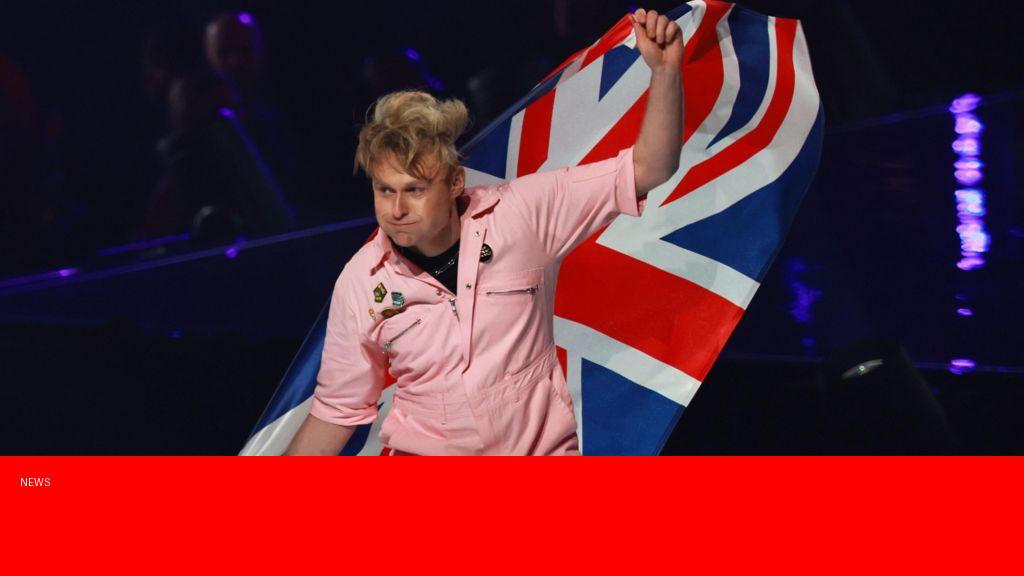
The United Kingdom has once again fallen short in the Eurovision Song Contest, managing to secure only one point in the latest competition. Despite efforts to improve the nation’s standing in the annual event, the UK struggled to capture the attention and votes of the international audience. This result continues a troubling trend of low scores and poor placements for the UK, sparking debate and reflection on why the country consistently underperforms at Eurovision.
Why it matters
Eurovision is not just a song contest; it is a significant cultural event with millions of viewers across Europe and beyond. The UK’s repeated poor performance affects national pride and raises questions about the country’s cultural relevance and appeal in a changing Europe. It also impacts the British music industry’s visibility on an international stage and limits opportunities for artists to gain broader recognition. Additionally, as the UK remains a key player in European politics and society, its Eurovision standing is often seen symbolically, reflecting wider perceptions of the nation’s engagement and image abroad.
Background
The UK has a long history in Eurovision, once considered a powerhouse with multiple wins, including famous entries like “Puppet on a String” (1967) and “Making Your Mind Up” (1981). However, over recent decades, the UK’s results have steadily declined, with many entries finishing near the bottom of the scoreboard. Factors contributing to this include changes in voting systems, the rise of Eastern European countries more invested in the contest, and perceptions of the UK’s musical entries as outdated or disconnected from current tastes. Moreover, political tensions and Eurovision’s often bloc-voting patterns have sometimes worked against the UK. Efforts to revamp the UK’s selection and presentation process continue, but consistent success remains elusive.
Questions and Answers
Q: Has the UK ever won Eurovision recently?
A: The UK’s last Eurovision victory was in 1997 with Katrina and the Waves’ “Love Shine a Light.” Since then, the country has faced a series of disappointing results.
Q: What voting challenges does the UK face in Eurovision?
A: The UK often struggles with bloc voting, where neighboring countries vote for each other, and politically influenced voting patterns that can disadvantage Western European countries like the UK.
Q: Are there efforts to improve the UK’s performance in Eurovision?
A: Yes, the BBC and other stakeholders have implemented changes in the selection process for contestants, aiming to choose more contemporary and competitive entries, but success has remained limited.
Q: Why do some believe the UK’s entries fail to connect with international audiences?
A: Critics argue that UK entries often fail to reflect current musical trends or Eurovision’s eclectic style, sometimes appearing out-of-touch or lacking the innovation seen in other countries’ performances.
Source: https://www.bbc.com/news/articles/cy72e81dp28o?at_medium=RSS&at_campaign=rss