What happened
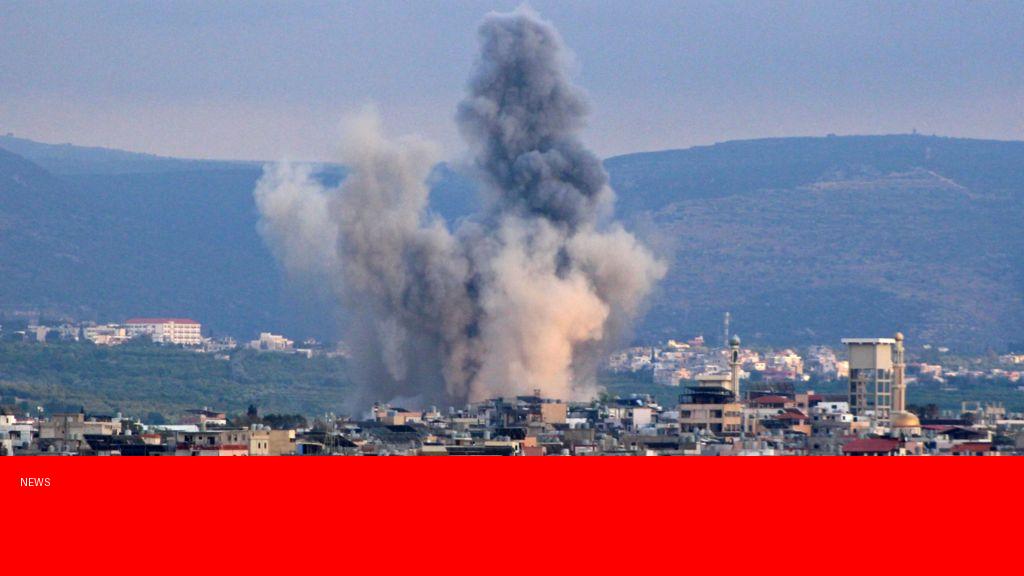
Israel conducted airstrikes on the southern Lebanese city of Tyre following its directive for residents to evacuate the area. The strikes targeted infrastructure and military positions, intensifying ongoing tensions between the two neighboring regions. The evacuation order was issued earlier to minimize civilian casualties amid rising hostilities.
Why it matters
The strikes mark a significant escalation in the already volatile relationship between Israel and Lebanon, especially given the involvement of Hezbollah, a powerful militant group based in southern Lebanon. This development raises concerns over potential broader conflict in the region, which could destabilize Middle Eastern security and draw in other actors. Civilians in Tyre face increased danger due to the heightened military activities and displacement.
Background
Israel and Lebanon have experienced recurrent conflict, often centered around Hezbollah’s presence in southern Lebanon. Tyre is a strategic city close to the Israeli border and frequently involved in cross-border tensions. Previous Israeli airstrikes and retaliations by Hezbollah have contributed to cycles of violence, with both sides often blaming each other for provoking hostilities. The recent escalation comes amid wider regional disputes and unresolved political tensions.
Questions and Answers
Q: Why did Israel order an evacuation of Tyre before striking?
A: Israel likely ordered an evacuation to reduce civilian casualties and facilitate targeted military operations against what it identifies as militant threats.
Q: Who is Hezbollah and what role do they play in this conflict?
A: Hezbollah is a Shiite militant group and political party based in Lebanon, considered a terrorist organization by Israel and other countries. It has a strong presence in southern Lebanon and frequently clashes with Israeli forces.
Q: What are the potential consequences of these airstrikes?
A: The airstrikes could lead to further retaliation from Hezbollah, escalating into broader conflict that may involve other regional actors and increase civilian suffering.
Q: How has the international community responded so far?
A: As of now, many countries have called for restraint and urged both parties to avoid actions that could lead to wider conflict, emphasizing the need for dialogue and de-escalation.
Source: https://www.bbc.com/news/articles/cj3pgrpmlklo?at_medium=RSS&at_campaign=rss