What happened
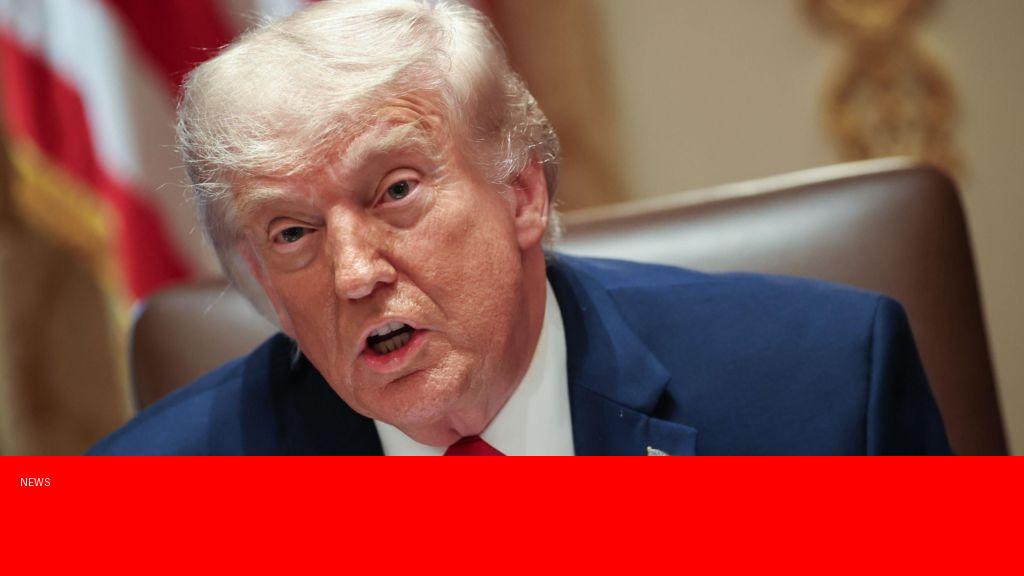
Former President Donald Trump stated that the United States is “not satisfied” with the current state of the Iran nuclear deal negotiations. Speaking publicly, Trump expressed concerns over the terms being discussed and indicated that the U.S. demands more stringent restrictions on Iran’s nuclear program. His remarks come amid ongoing international talks aimed at reviving the 2015 Joint Comprehensive Plan of Action (JCPOA), which seeks to limit Iran’s nuclear capabilities in exchange for sanctions relief.
Why it matters
Trump’s comments highlight persistent skepticism and tensions surrounding the Iran nuclear deal, which has significant implications for U.S. foreign policy and global security. His dissatisfaction underscores the challenges in reaching a consensus that satisfies all parties, especially regarding enforcement and inspection mechanisms. The outcome of these negotiations will impact nuclear non-proliferation efforts in the Middle East, influence U.S.-Iran relations, and affect diplomatic dynamics between the U.S. and other world powers involved in the talks.
Background
The Iran nuclear deal, officially known as the JCPOA, was agreed upon in 2015 by Iran and the P5+1 group of countries (the United States, the United Kingdom, France, Russia, China, and Germany). It aimed to restrain Iran’s nuclear program to peaceful purposes and included rigorous monitoring in exchange for lifting economic sanctions. However, in 2018, under Trump’s administration, the U.S. unilaterally withdrew from the agreement, reinstating sanctions on Iran. Since then, efforts to revive the deal have faced numerous obstacles, with disagreements on compliance measures and verification. Current negotiations involve the Biden administration and multiple international partners trying to bring Iran back into full compliance while addressing regional security concerns.
Questions and Answers
Q: What specific issues does Trump have with the Iran deal?
A: Trump has criticized the deal for being too lenient on Iran’s nuclear activities, particularly in terms of verification and enforcement. He believes the deal should include stricter limitations on Iran’s nuclear program and more robust inspection protocols.
Q: How does Trump’s stance affect current negotiations?
A: While Trump is no longer in office, his comments reflect a broader skepticism shared by some U.S. lawmakers and allies. This viewpoint can influence policy debates and public opinion, potentially complicating the ability of the Biden administration to finalize an agreement.
Q: What are the main goals of the ongoing negotiations?
A: The primary goals are to ensure Iran limits its nuclear program to peaceful uses, reinstates compliance with JCPOA terms, and that international inspectors can verify these commitments effectively, all while balancing the lifting of certain economic sanctions.
Q: Why did the U.S. withdraw from the JCPOA in 2018?
A: The Trump administration argued that the original deal was flawed because it did not address Iran’s ballistic missile program or its regional activities, and that the sunset clauses allowed Iran to resume some nuclear work after certain periods.
Q: What could happen if the Iran nuclear deal fails to be revived?
A: Failure to revive the deal could lead to increased tensions in the Middle East, accelerated nuclear development by Iran, and the potential for heightened conflicts involving regional and global powers, as well as the continuation or expansion of economic sanctions.
Source: https://www.bbc.com/news/articles/c74dy9jw1q9o?at_medium=RSS&at_campaign=rss