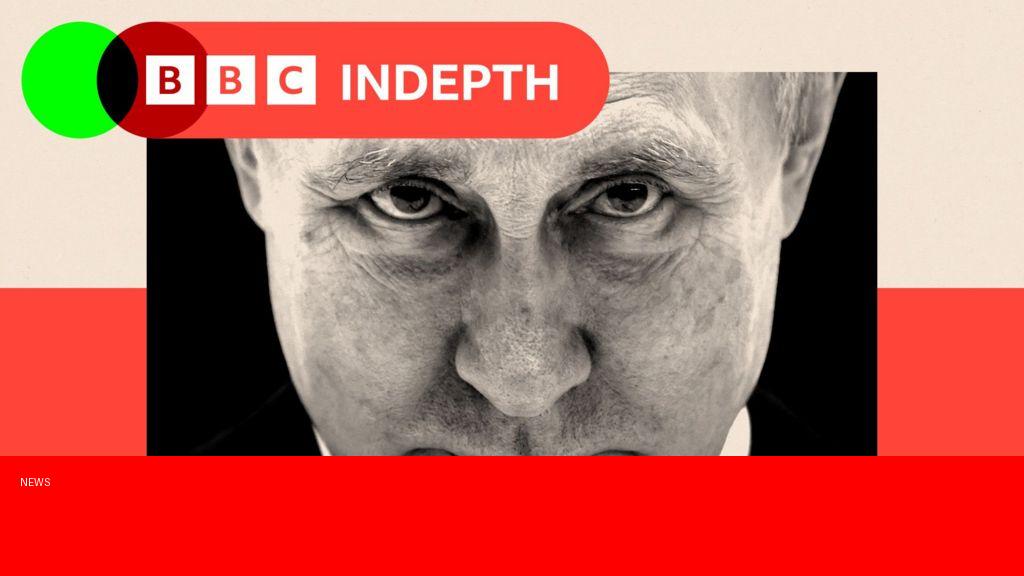
What happened
Vladimir Putin has successfully crafted and maintained a powerful and carefully controlled public image that portrays him as a strong, decisive leader both within Russia and on the global stage. Through strategic media management, staged photo opportunities, and symbolic gestures—such as his well-known shirtless outdoor activities and direct engagement with military and economic affairs—Putin has positioned himself as the embodiment of Russian strength and stability. This meticulously curated image has been reinforced by state-controlled media and coordinated messaging, solidifying his persona over the past two decades.
Why it matters
Putin’s mastery over his image directly influences public perception and political stability in Russia. By projecting an image of authority and resilience, he bolsters his domestic support and deters opposition. Internationally, this strongman persona complicates diplomatic relations, as foreign governments respond not just to policy but to the symbolic power he commands. Understanding how Putin controls his image is crucial for analysts and policymakers who seek to interpret Russia’s actions and anticipate its future moves on the global stage.
Background
Since assuming the presidency in 2000, Vladimir Putin has made the cultivation of his image a central feature of his leadership style. Early on, he utilized tightly managed press coverage and orchestrated public appearances to contrast himself with his predecessor, projecting vigor and decisiveness. Over time, this evolved into a broader strategy encompassing media control, staged nationalist displays, and symbolic acts that appeal to traditional Russian values and a desire for national pride. The rise of social media and digital propaganda has further enhanced his ability to shape narratives both domestically and internationally.
Questions and Answers
Q: How does Putin control his public image so effectively?
A: Putin leverages state-controlled media, carefully planned photo ops, and symbolic actions—such as participating in outdoor adventures—to present an image of strength and vitality. This image is supported by coordinated messaging that emphasizes his leadership qualities and Russia’s national pride.
Q: What role does Putin’s image play in his political power?
A: His image is central to consolidating power by appealing to nationalistic sentiments and portraying himself as the protector of Russia’s interests, which helps maintain public support and marginalize opposition.
Q: Has Putin’s image strategy changed over time?
A: Yes, it has evolved from basic media management in the early 2000s to sophisticated use of digital propaganda and international messaging, adapting to new technologies and changing political landscapes.
Q: Why is understanding Putin’s image important for global affairs?
A: Because his public persona shapes how Russia’s actions are perceived and responded to globally, influencing diplomatic negotiations, conflict dynamics, and international policy decisions.
Source: https://www.bbc.com/news/articles/cddpl33v247o?at_medium=RSS&at_campaign=rss