What happened
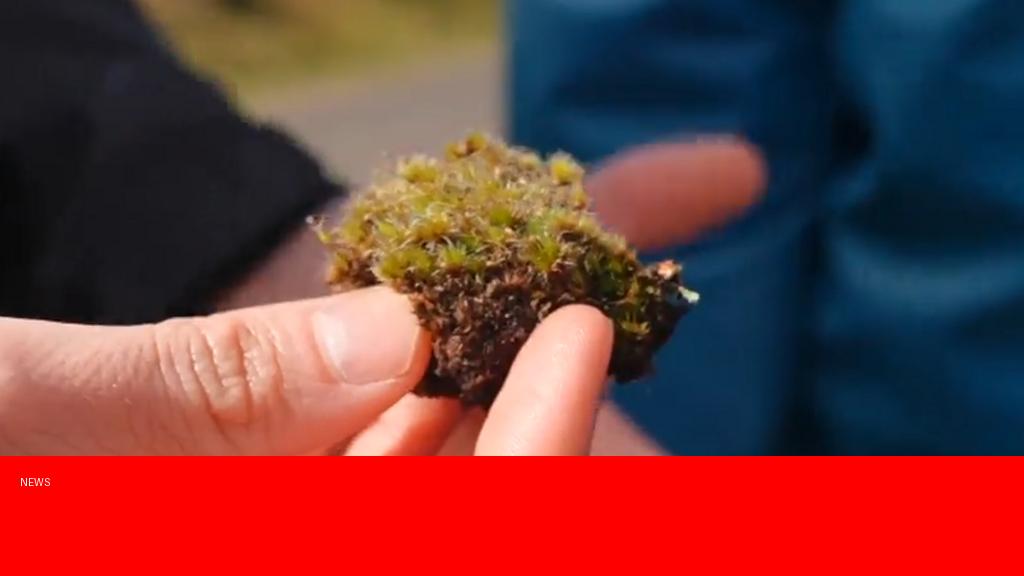
Scientists have discovered that a particular strain of fungus, often dubbed a “killer fungus,” could help restore habitats severely damaged by invasive moss species. Researchers found that this fungus specifically targets the invasive moss, inhibiting its growth and allowing native plants to recolonize affected areas. Early field trials showed promising results, with improved biodiversity and soil health in environments previously overwhelmed by the invasive moss.
Why it matters
The spread of invasive moss species can drastically alter native ecosystems, reducing biodiversity and disrupting natural processes. Finding an effective biological control like this fungus offers an eco-friendly alternative to chemical treatments, which can harm other plants and animals. Restoring these habitats is crucial for maintaining ecosystem services such as water filtration, carbon storage, and providing shelter for wildlife. This discovery could therefore be a vital tool in conservation efforts worldwide.
Background
Invasive moss species have been increasingly problematic in various regions, particularly in temperate and boreal forests, where they outcompete native flora. These mosses create dense mats that prevent native plants from growing, leading to soil degradation and loss of habitat for insects and animals. Traditional control methods have struggled with efficacy and environmental impact. The use of fungi to manage invasive plants is an emerging area of ecological research, offering species-specific action with minimal collateral damage.
Questions and Answers
Q: What makes the fungus called a “killer fungus”?
A: The fungus is called a “killer fungus” because it effectively kills or suppresses the invasive moss species by infecting and breaking down its tissues, thereby halting its growth.
Q: Is the fungus safe for native plants and animals?
A: Yes, current studies indicate that the fungus targets only the invasive moss without harming native plants or animals, making it a safe biological control method.
Q: How soon could this fungus be used widely to control invasive moss?
A: While early trials are promising, more extensive testing and regulatory approval are required before large-scale application, which could take several years.
Q: Could this approach be used to manage other invasive species?
A: Potentially, yes. Using species-specific fungi to control invasive organisms is a growing field, and similar methods might be developed for other problematic invasive species in the future.
Source: https://www.bbc.com/news/articles/c4g48jy4j1yo?at_medium=RSS&at_campaign=rss