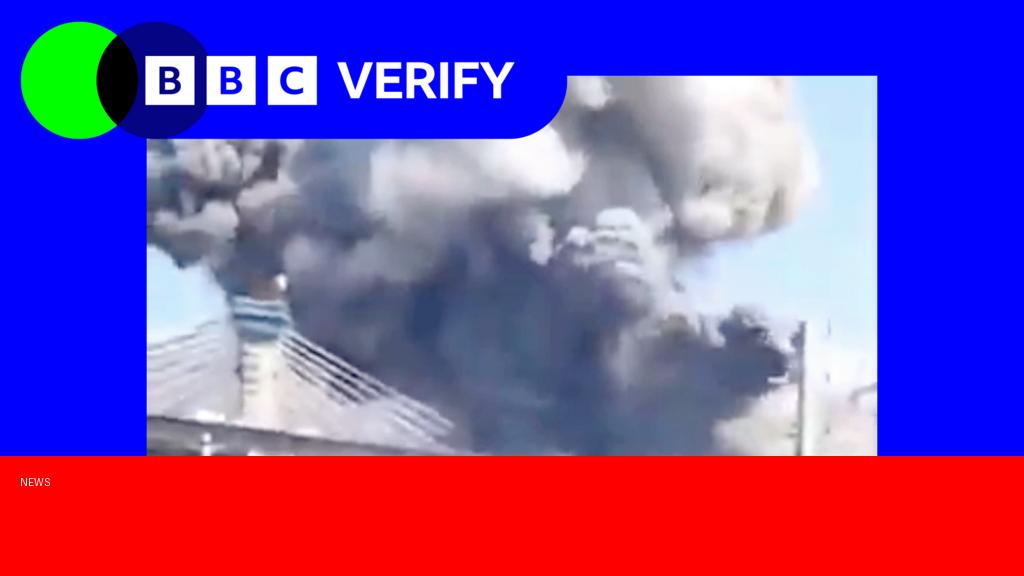
What happened
In recent weeks, the United States and Israel have conducted a series of coordinated strikes targeting Iranian infrastructure believed to support Tehran’s regional influence and military capabilities. These operations reportedly focused on facilities involved in nuclear development, missile production, and support for proxy groups in the Middle East. The strikes, carried out through air and cyber means, mark a significant escalation in efforts to curb Iran’s strategic assets without engaging in full-scale conflict.
Why it matters
The joint US-Israeli strikes signify a shift toward more aggressive tactics aimed at limiting Iran’s ability to advance its military programs and destabilize neighboring countries. These actions increase tensions in an already volatile region, potentially provoking retaliatory measures from Iran and its allies. The strikes also complicate ongoing diplomatic negotiations around Iran’s nuclear program, posing challenges for broader efforts to maintain regional security and prevent escalation into wider military confrontation.
Background
The US and Israel have long viewed Iran as a primary security threat due to its nuclear ambitions, ballistic missile development, and support for militant groups such as Hezbollah and Hamas. Previous diplomatic attempts, including the 2015 Joint Comprehensive Plan of Action (JCPOA), aimed to limit Iran’s nuclear activities but have faltered in recent years following the US withdrawal from the agreement in 2018. Tensions have intensified amid Iran’s expanding regional influence and accelerated uranium enrichment. The new wave of strikes reflects deepening frustration with diplomatic stalemates and a strategic pivot toward direct action to disrupt Iranian capabilities before they can pose greater threats.
Questions and Answers
Q: What types of Iranian infrastructure have been targeted in these strikes?
A: Targets primarily include nuclear research and development facilities, missile production sites, and logistical hubs used by Iranian-backed militias in the region.
Q: How have Iran and its allies responded to these strikes?
A: Iran has condemned the strikes as violations of its sovereignty and has threatened retaliatory measures. Proxy groups have also indicated intentions to increase attacks against US and Israeli interests.
Q: Are these strikes part of a broader military campaign?
A: While significant, the strikes appear intended as limited, precise actions to delay Iranian capabilities rather than an all-out military campaign, reflecting cautious escalation.
Q: What is the international community’s reaction?
A: Responses have been mixed, with some allies expressing support for efforts to deter Iran, while others urge restraint and renewed diplomatic engagement.
Q: Could these strikes affect nuclear negotiations with Iran?
A: Yes, the strikes risk undermining ongoing or future diplomatic discussions by increasing mistrust and reducing incentives for Iran to return to the negotiating table.
Source: https://www.bbc.com/news/articles/cx2w0v19gw8o?at_medium=RSS&at_campaign=rss