What happened
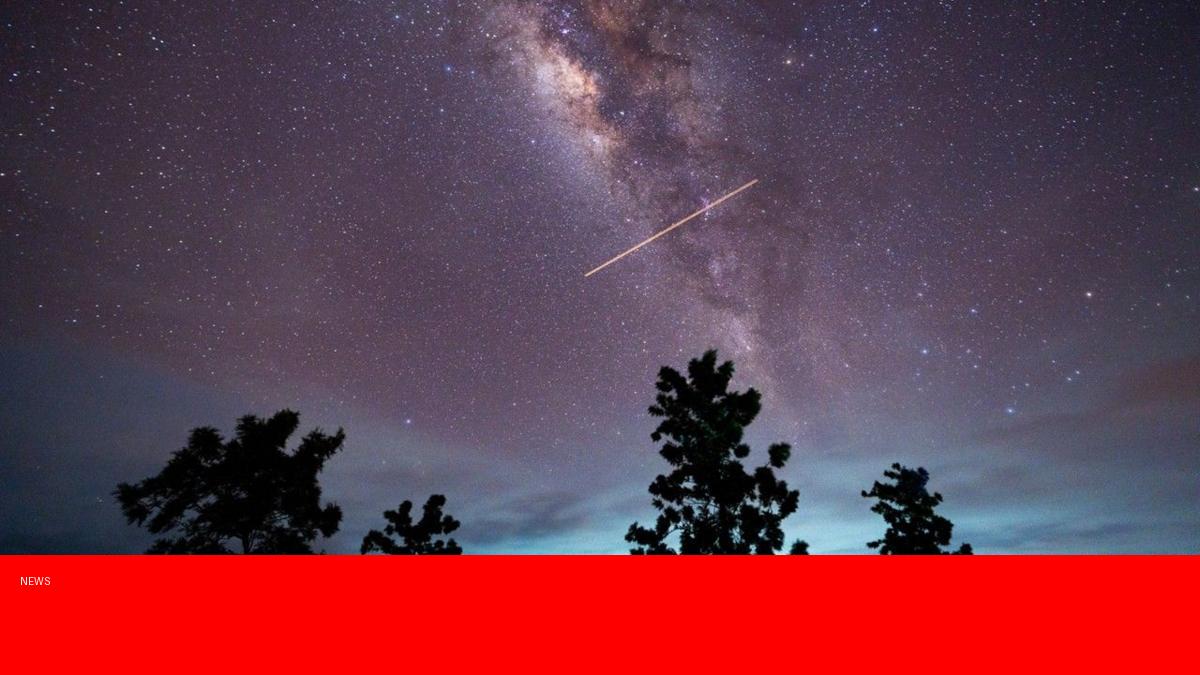
The oldest known meteor shower, the Lyrids, is set to light up the skies over the UK this week. The meteor shower, which occurs annually, will reach its peak on the night of April 21 and early morning of April 22. Stargazers across the country can expect to see bright streaks of light as particles from the Comet Thatcher enter Earth’s atmosphere and burn up.
Why it matters
The Lyrids meteor shower is significant because it is one of the most consistent and visible meteor showers in the Northern Hemisphere. Its occurrence provides an excellent opportunity for both amateur and professional astronomers to observe celestial events without the need for high-tech equipment. Additionally, the Lyrids help scientists study comet debris, atmospheric interactions, and the long-term behavior of meteoroid streams, contributing valuable data to space research.
Background
The Lyrids meteor shower has been documented for over 2,500 years, making it the oldest recorded meteor shower known to humanity. Originating from Comet Thatcher, which orbits the Sun every 415 years, the Lyrids produce bright meteors often accompanied by glowing trails. Historically, the shower has been observed and recorded by various ancient civilizations, and it continues to fascinate skywatchers today. Typically, the shower produces about 10 to 20 meteors per hour at its peak, although rates can vary.
Questions and Answers
Q: When is the best time to view the Lyrids meteor shower in the UK?
A: The best viewing time is during the peak night of April 21 and the early morning hours of April 22, ideally after midnight when the radiant point rises higher in the sky.
Q: Where should I look to see the meteors?
A: Look towards the constellation Lyra, where the meteors appear to originate, but meteors can be seen anywhere in the sky.
Q: Do I need special equipment to watch the Lyrids?
A: No special equipment is needed; the meteors can be seen with the naked eye, although finding a dark location away from city lights improves visibility.
Q: How many meteors can be expected during the peak?
A: Observers can typically expect to see around 10 to 20 meteors per hour during the peak of the Lyrids.
Q: Why does the Lyrids meteor shower occur annually?
A: The Lyrids occur annually because Earth passes through the trail of debris left by Comet Thatcher every April as it orbits the Sun.
Source: https://www.bbc.com/weather/articles/c1d902y90g5o?at_medium=RSS&at_campaign=rss