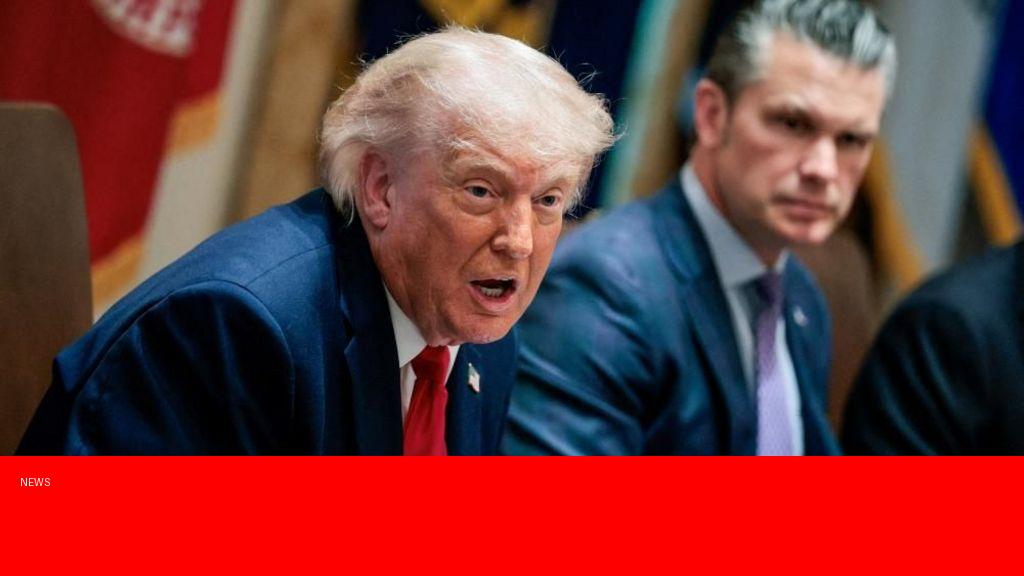
What happened
The United States and Iran have recently engaged in cautious diplomatic exchanges, raising hopes that both nations may be moving closer to de-escalating tensions. High-level envoys from both sides have held indirect talks aimed at reviving the 2015 nuclear deal, which had significantly reduced hostilities before the U.S. withdrawal in 2018. However, military maneuvers and hostile rhetoric continue intermittently, casting doubt on whether these talks will lead to lasting peace or further conflict.
Why it matters
The relationship between the U.S. and Iran carries significant implications for global security, particularly in the Middle East. A peaceful resolution could stabilize the region, lower oil prices, and reduce the risk of military confrontation. Conversely, a breakdown in negotiations could trigger escalated conflict, potentially drawing in allied countries and disrupting international trade. The outcome also affects global efforts to prevent nuclear proliferation and shape diplomatic norms around conflict resolution.
Background
The U.S.-Iran relationship has been fraught with tension since the 1979 Iranian Revolution and the subsequent hostage crisis. The 2015 Joint Comprehensive Plan of Action (JCPOA) marked a breakthrough in limiting Iran’s nuclear program in exchange for sanctions relief. However, the U.S. exit from the deal under the Trump administration and the reimposition of sanctions led to heightened animosity. Iran has since advanced some nuclear activities, and both countries have engaged in proxy conflicts across the region. Renewed U.S. efforts to re-engage diplomatically began under the Biden administration, aiming to address contentious issues while avoiding direct military conflict.
Questions and Answers
Q: Are the recent diplomatic talks between the U.S. and Iran official negotiations?
A: The talks are currently indirect and facilitated through intermediaries rather than direct formal negotiations.
Q: What are the main obstacles to reaching a new agreement?
A: Key obstacles include disagreements over sanctions relief, Iran’s nuclear program limits, and regional security concerns.
Q: Has either country taken military actions recently that could jeopardize peace efforts?
A: Yes, there have been episodic military actions and aggressive rhetoric from both sides, which have complicated diplomatic progress.
Q: How likely is it that the U.S. and Iran will return to open conflict?
A: While tensions are high, most experts believe both sides currently prefer diplomacy over direct military confrontation, though the situation remains volatile.
Q: What role do other world powers play in this dynamic?
A: Countries like China, Russia, and the European Union act as intermediaries and stakeholders, influencing negotiations and regional stability.
Source: https://www.bbc.com/news/articles/cze29764067o?at_medium=RSS&at_campaign=rss