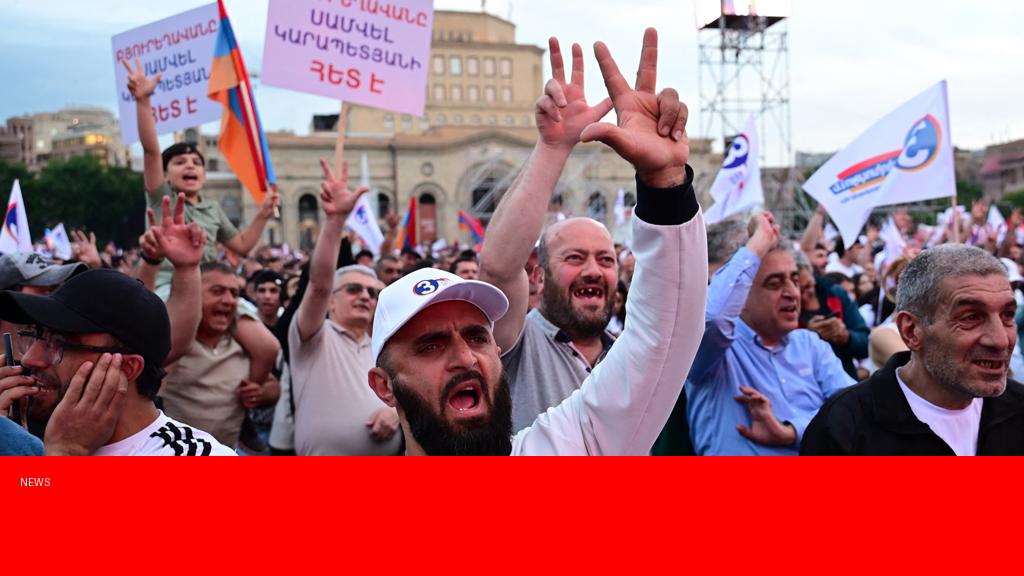
What happened
Armenia is preparing for a crucial parliamentary election amidst increasing pressure from Russia on its pro-Western government. The upcoming vote, scheduled for June 2024, is being closely watched as the country navigates complex geopolitical tensions between maintaining strong ties with Western allies and managing its historically close relationship with Russia. Moscow has intensified diplomatic and economic pressure, signaling its dissatisfaction with Armenia’s pivot towards Western integration.
Why it matters
The election’s outcome will significantly influence Armenia’s foreign policy direction and regional stability in the South Caucasus. A government favoring closer relations with the West could further strain Armenia-Russia relations and possibly impact Russian military and economic support. Conversely, a government more aligned with Russia could alter Armenia’s trajectory away from Western partnerships, affecting democratic reforms and international aid. Given Armenia’s strategic location and ongoing conflicts, the election results carry substantial implications for regional security and global power dynamics.
Background
Since the 2020 Nagorno-Karabakh conflict, Armenia has sought stronger ties with European institutions and the United States, aiming to diversify its political and economic partnerships. Traditionally reliant on Russia for security and energy, Armenia’s recent moves towards the West have unsettled Moscow. Russia maintains a military base in Armenia and is a key security guarantor in the region, but tensions have risen due to differing views on handling the Nagorno-Karabakh dispute and Armenia’s engagement with Western organizations such as the EU and NATO. The upcoming election is set against this backdrop of geopolitical rivalry and domestic calls for reform.
Questions and Answers
Q: When will Armenia’s parliamentary elections take place?
A: The elections are scheduled for June 2024.
Q: Why is Russia pressuring Armenia’s government?
A: Russia is unhappy with Armenia’s increasing tilt towards Western alliances, which threatens Moscow’s traditional influence in the country and region.
Q: How could the election affect Armenia’s foreign policy?
A: A pro-Western government may lead to closer ties with Europe and the U.S., potentially reducing Russian influence, while a pro-Russian government may maintain or strengthen Armenia’s traditional alliance with Moscow.
Q: What role does Armenia play in regional security?
A: Armenia is strategically located in the South Caucasus, near conflicts zones like Nagorno-Karabakh, making it key to regional stability and international geopolitical interests.
Q: What is at stake for Armenian citizens in this election?
A: The election will determine the country’s political path, affecting democratic reforms, economic development, security arrangements, and international partnerships.
Source: https://www.bbc.com/news/articles/c3626n1epd5o?at_medium=RSS&at_campaign=rss