What happened
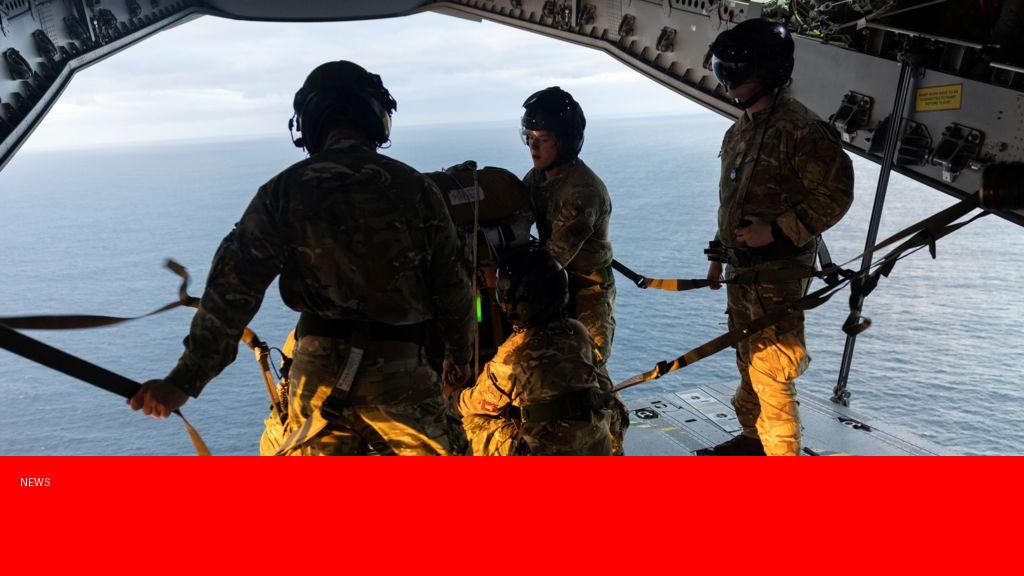
The British Army recently parachuted onto a remote island to provide emergency assistance to a Briton suspected of being infected with hantavirus. The individual, stranded and in urgent need of medical attention, was located on the isolated island, prompting a rapid military response. Parachute troops were deployed to reach the remote location quickly, stabilize the patient, and facilitate evacuation for further medical treatment.
Why it matters
This operation highlights the critical role of military resources in responding to medical emergencies, especially in inaccessible areas where civilian rescue options are limited or impossible. Hantavirus, a potentially severe illness transmitted by rodents, requires immediate diagnosis and care. The swift military intervention not only potentially saved a life but also demonstrated the importance of preparedness and rapid response capacity in remote and challenging environments.
Background
Hantavirus is a rare but serious viral infection caused by exposure to infected rodent droppings, urine, or saliva. It can lead to hantavirus pulmonary syndrome (HPS), which affects the lungs and can be fatal if not treated promptly. Remote islands and wilderness areas can pose significant risks due to limited accessibility and medical infrastructure. The British Army routinely trains for such emergency deployments, including parachute insertions, to support civilian rescue missions or provide humanitarian aid when conventional means are unavailable.
Questions and Answers
Q: What is hantavirus and how is it contracted?
A: Hantavirus is a virus transmitted primarily through contact with the urine, droppings, or saliva of infected rodents. Humans can contract it by breathing in aerosolized particles contaminated with the virus, or through direct contact with rodent excreta.
Q: Why did the army use parachutes for the rescue?
A: The island was remote and lacked suitable landing areas for helicopters or boats, making parachuting the fastest and safest method for troops to reach the patient and provide immediate assistance.
Q: What symptoms does hantavirus cause?
A: Symptoms typically include fever, muscle aches, fatigue, and respiratory distress. If untreated, it can lead to severe lung complications and even death.
Q: How common are such military medical rescue operations?
A: While not frequent, the military is trained and equipped to conduct medical evacuations in difficult or inaccessible terrain, supporting civilian agencies when needed.
Q: What happens after the rescue?
A: The patient is usually evacuated to a medical facility for testing, monitoring, and treatment to prevent complications from the virus.
Source: https://www.bbc.com/news/articles/cvgzv77ldpdo?at_medium=RSS&at_campaign=rss