What happened
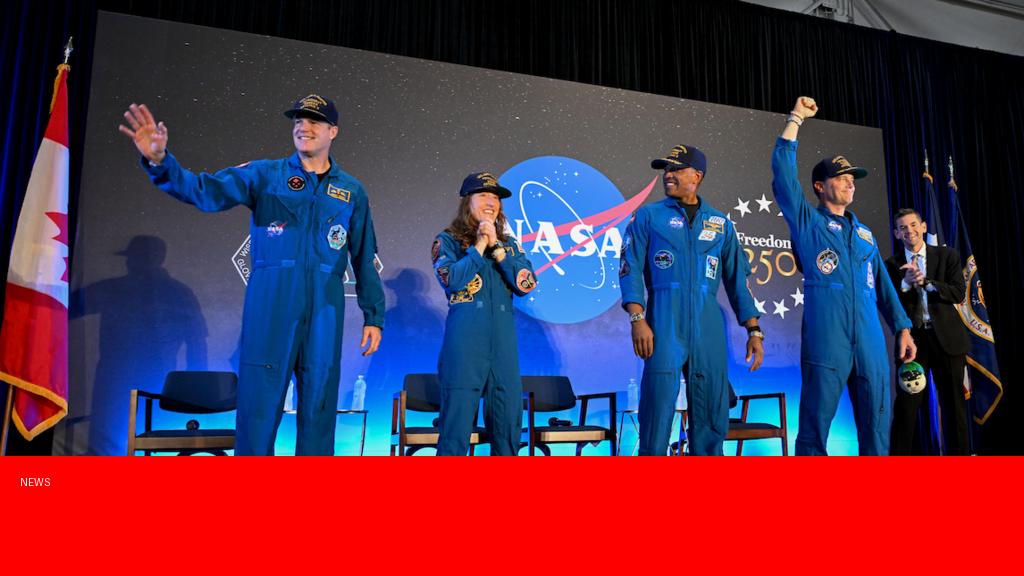
The crew of NASA’s Artemis II mission has returned to Earth, sharing their remarkable experience of transformation during the groundbreaking journey around the Moon. The astronauts expressed that while they embarked on the mission as friends, the intense and close-knit nature of their voyage has bonded them into best friends. This crewed lunar mission marked a significant milestone as the first to send humans beyond low Earth orbit since the Apollo program, fostering a deep camaraderie among the astronauts.
Why it matters
The strengthened bond among the Artemis II crew highlights the human aspect of deep space exploration, underscoring how shared challenges and successes forge stronger teamwork and trust—crucial elements for future missions. As NASA and its international partners prepare for more extended expeditions, such as Artemis III’s lunar landing and eventual Mars missions, understanding and supporting crew dynamics will be vital for mission success and astronaut well-being.
Background
Artemis II is NASA’s first crewed mission in the Artemis program, designed to return humans to the Moon and ultimately pave the way for sustainable lunar exploration and beyond. Following the successful Artemis I uncrewed test flight, Artemis II carried four astronauts in a loop around the Moon before safely returning to Earth. This mission tested vital life-support systems and operational protocols necessary for longer-duration space travel. The Artemis program is a cornerstone of NASA’s goal to explore the lunar surface sustainably and prepare for human missions to Mars.
Questions and Answers
Q: Who were the members of the Artemis II crew?
A: The crew consisted of four astronauts selected by NASA, including a commander, pilot, and two mission specialists, each bringing expertise crucial for the mission’s success.
Q: How long was the Artemis II mission?
A: The mission lasted approximately 10 days, encompassing launch, lunar orbit, and safe return to Earth.
Q: What key challenges did the crew face during the mission?
A: The astronauts navigated the complexities of operating in deep space, managing life-support systems, and maintaining mission operations hundreds of thousands of miles from Earth, all while adapting to the psychological demands of close quarters.
Q: How will this mission influence future space exploration?
A: Artemis II’s success validates systems and procedures for crewed deep space travel, informs training and support for crew cohesion, and sets the stage for Artemis III, which aims to land astronauts on the Moon.
Q: What does the crew mean by saying they ‘came back as best friends’?
A: The shared intensity, reliance on one another, and overcoming challenges together strengthened their relationships beyond typical friendships, fostering deep mutual trust and camaraderie essential for extended missions in harsh environments.
Source: https://www.bbc.com/news/articles/ce8jpz9rx2yo?at_medium=RSS&at_campaign=rss