What happened
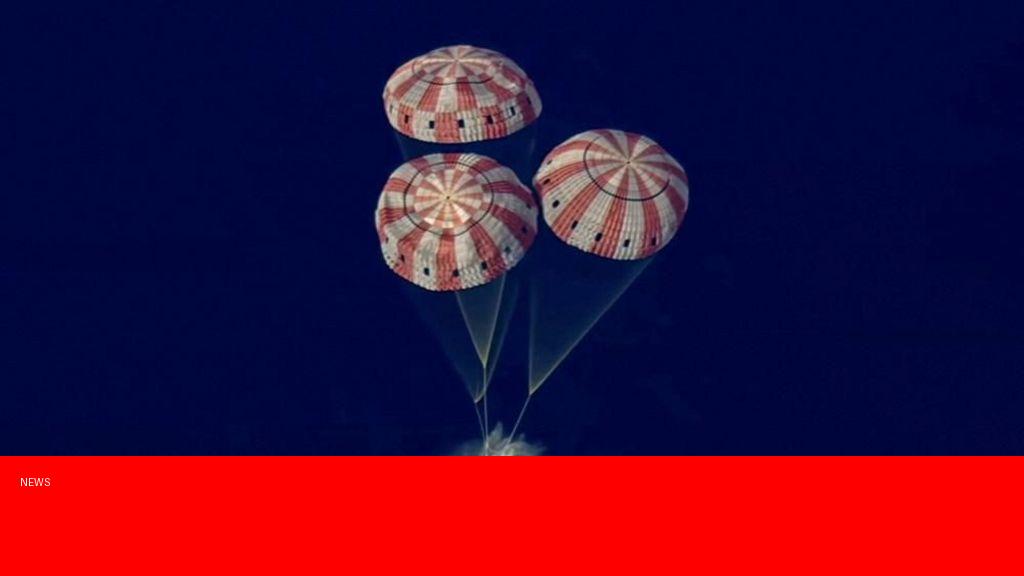
NASA’s Artemis II mission successfully completed its re-entry sequence, marking a critical milestone on its journey back to Earth. Following the spacecraft’s separation from the Orion service module, it entered a brief communication blackout caused by atmospheric friction heating. After this tense period, the Orion capsule safely parachuted into the ocean, culminating in a precise splashdown recovery by the recovery team.
Why it matters
The successful re-entry and splashdown of Artemis II validate key technologies necessary for future crewed lunar missions. This operation demonstrates NASA’s ability to safely return astronauts from deep space, a vital component for the Artemis program’s goal of establishing a sustainable human presence on and around the Moon. The event also strengthens confidence in the spacecraft’s heat shield and parachute systems, directly impacting astronaut safety and mission success on subsequent flights.
Background
Artemis II is NASA’s first crewed mission in the Artemis program, designed to send astronauts around the Moon and back. Building on the uncrewed Artemis I test flight, this mission is paving the way for Artemis III, which aims to land humans on the lunar surface. The re-entry phase is one of the most dangerous and complex aspects of any space mission, involving precise timing and engineering to survive the intense heat and forces encountered when returning to Earth.
Questions and Answers
Q: What causes the communication blackout during re-entry?
A: The blackout occurs due to ionized gases forming around the spacecraft as it re-enters Earth’s atmosphere at high speed, which prevents radio signals from passing through.
Q: How is the Orion spacecraft recovered after splashdown?
A: Recovery teams, typically operating from specially equipped ships, locate and secure the capsule using winches and cranes to bring it aboard for crew extraction and analysis.
Q: Why is Artemis II important for NASA’s lunar exploration goals?
A: Artemis II tests critical spacecraft systems with humans onboard, ensuring safety and reliability required for future missions that will include landing astronauts on the Moon.
Source: https://www.bbc.com/news/videos/c4gxw3xmzeyo?at_medium=RSS&at_campaign=rss