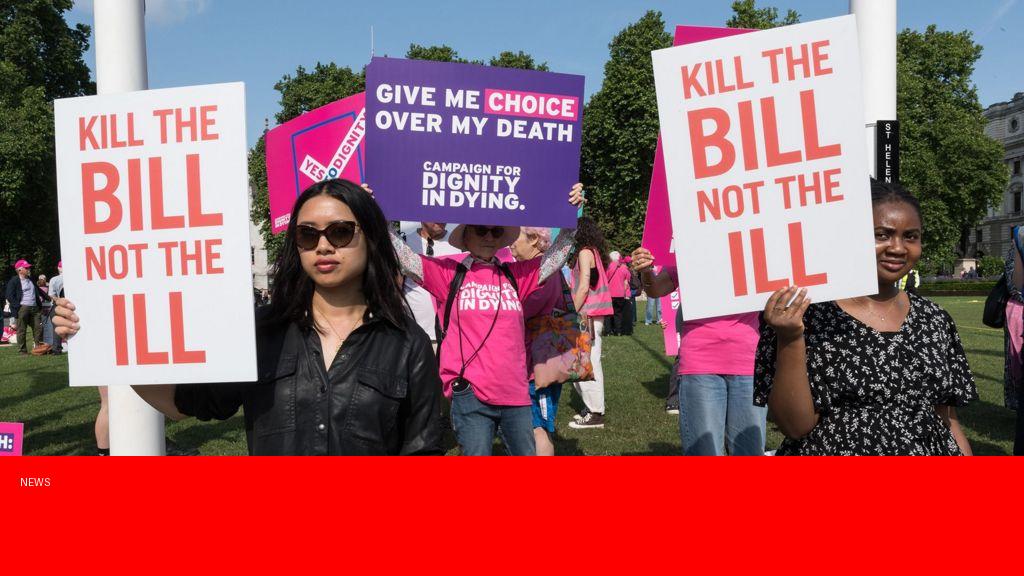
What happened
The Assisted Dying Bill is set to expire as the House of Lords held its final debate without reaching a vote. The debate, which was anticipated to be the concluding discussion before the bill’s progression, instead marked the end of the legislative window, meaning the proposed changes to allow assisted dying in certain circumstances will not advance at this time.
Why it matters
This development delays any potential legal reforms regarding assisted dying in the UK, impacting terminally ill patients seeking the right to choose the timing and manner of their death. Proponents argue the legislation would provide dignity and autonomy, while opponents emphasize ethical and safety concerns. The bill’s expiration means that current laws remain unchanged, affecting patients, healthcare providers, and advocacy groups on both sides of the debate.
Background
The Assisted Dying Bill has been introduced multiple times in the UK Parliament, aiming to legalize assistance in dying for terminally ill adults with less than six months to live. Previous attempts have faced significant opposition and have raised complex ethical, medical, and legal questions. The House of Lords often plays a critical role in scrutinizing such sensitive legislation, but time constraints and political priorities have stalled the bill’s progress in this parliamentary session.
Questions and Answers
Q: What would the Assisted Dying Bill have changed if it had passed?
A: It would have allowed terminally ill adults with less than six months to live to request medical assistance in ending their own lives under strict safeguards.
Q: Why did the bill run out of time in the House of Lords?
A: The House of Lords exhausted the available time for debate without agreeing to a vote, and without sufficient parliamentary time allocated to continue its progression.
Q: What are the next steps for proponents of assisted dying legislation?
A: Supporters plan to reintroduce the bill in future sessions and continue campaigning for legal reforms to allow assisted dying under regulated circumstances.
Q: What are the main concerns of those opposed to the bill?
A: Opponents worry about potential abuses, the moral implications of assisted dying, and the adequacy of safeguards to protect vulnerable people.
Source: https://www.bbc.com/news/articles/cgk0vz5e2zxo?at_medium=RSS&at_campaign=rss