What happened
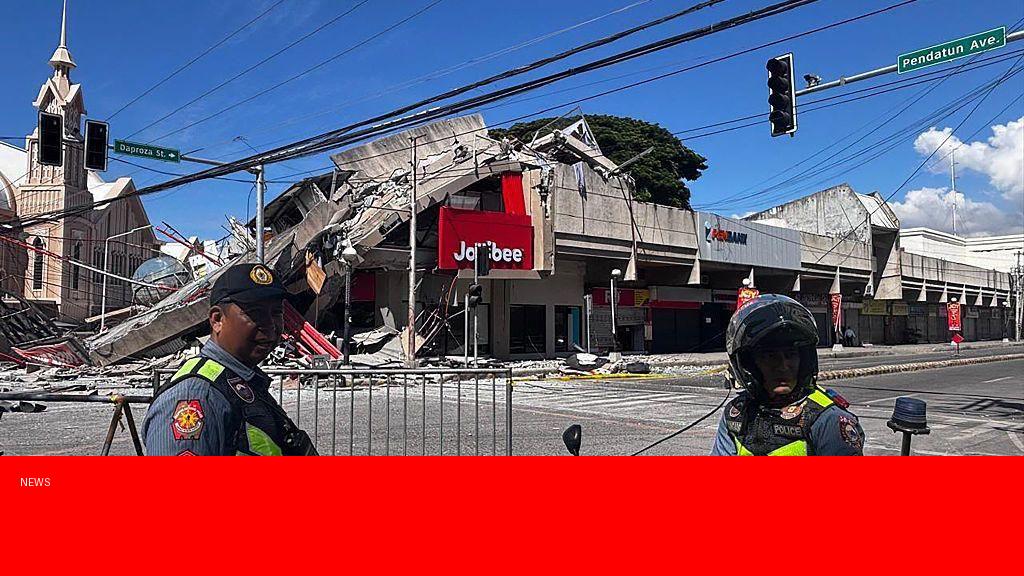
At least 19 people have died following a major earthquake that struck the southern Philippines. The earthquake, with a magnitude of 7.0, struck early on the morning of June 5, causing widespread destruction across multiple towns. Buildings collapsed, roads were damaged, and emergency services have been deployed to assist those affected and conduct rescue operations.
Why it matters
The earthquake has had a devastating impact on the affected communities, resulting in loss of life, injuries, and displacement. It has disrupted lives and essential services in the southern Philippines, highlighting the region’s vulnerability to natural disasters. The incident also underscores the importance of disaster preparedness and response systems in earthquake-prone areas.
Background
The Philippines is located along the Pacific Ring of Fire, an area with significant seismic activity due to tectonic plate boundaries. The southern region, including Mindanao, often experiences earthquakes, some of which have caused substantial damage in the past. Efforts have been ongoing to improve earthquake monitoring and enhance community preparedness, but challenges remain given the area’s geography and infrastructure.
Questions and Answers
Q: What was the magnitude of the earthquake?
A: The earthquake measured 7.0 in magnitude.
Q: How many people have died due to the earthquake?
A: At least 19 people have been reported dead.
Q: Which areas were most affected?
A: Several towns in southern Philippines, particularly in the Mindanao region, were heavily affected.
Q: What response efforts are being made?
A: Emergency services have been mobilized to conduct rescue and relief operations, including providing aid to those displaced or injured.
Q: Is the Philippines prone to earthquakes?
A: Yes, the Philippines lies within the Pacific Ring of Fire and frequently experiences seismic activities.
Source: https://www.bbc.com/news/articles/clyel78e6p5o?at_medium=RSS&at_campaign=rss