What happened
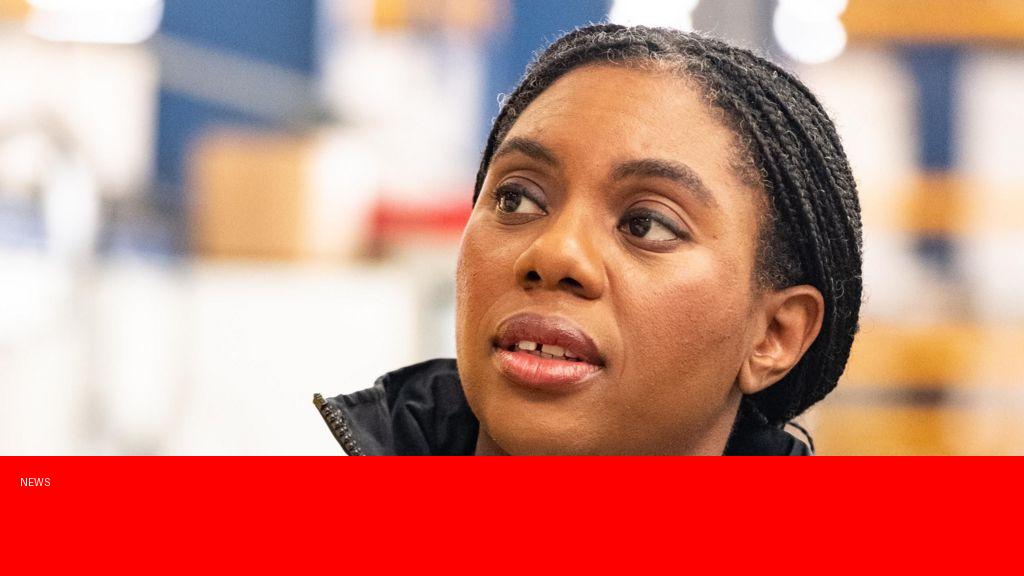
Kemi Badenoch, the UK Secretary of State for Business and Trade, warned that ongoing conflicts over identity politics could potentially lead to civil war in the long term. Speaking at a political event, Badenoch emphasized that divisive debates around race, gender, and cultural identity are creating deep societal rifts. She urged policymakers and the public to seek unity and focus on shared values to prevent further polarization.
Why it matters
Badenoch’s statement highlights growing concerns about social cohesion and political stability in the UK. As identity politics increasingly dominate public discourse, the risk of entrenched divisions threatens national unity. Her warning serves as a call to action for leaders to address cultural conflicts proactively to avoid escalating tensions that could undermine democratic institutions and potentially lead to widespread unrest.
Background
Identity politics, which centers political debate on issues of race, gender, sexuality, and cultural identity, has become a prominent feature of modern political life. While it has empowered marginalized groups to seek representation and justice, critics argue it can also deepen societal divisions by emphasizing differences over commonality. In recent years, the UK has experienced heated debates over topics such as racial inequality, transgender rights, and the legacy of colonialism. These discussions have sometimes resulted in polarized communities and contentious public conversations, prompting figures like Badenoch to warn about the risks of escalating conflict.
Questions and Answers
Q: What exactly did Kemi Badenoch say about identity politics?
A: Badenoch stated that the growing conflict over identity politics in the UK could lead to civil war in the long term if societal divisions are not addressed.
Q: Why does she believe identity politics could cause such serious consequences?
A: She believes that the increasing polarization around identity issues is creating deep societal rifts that threaten social cohesion and stability.
Q: Has Badenoch proposed any solutions to this problem?
A: She has called for unity and urged leaders and citizens to focus on shared values rather than emphasizing differences.
Q: How has the public reacted to Badenoch’s comments?
A: Reactions have been mixed, with some agreeing on the need to reduce division, while others criticize the statement as alarmist or dismissive of legitimate identity-based concerns.
Q: Is this issue unique to the UK?
A: No, conflicts over identity politics are happening globally, but Badenoch’s comments specifically address the UK’s current social and political climate.
Source: https://www.bbc.com/news/articles/ce9pll8943no?at_medium=RSS&at_campaign=rss