What happened
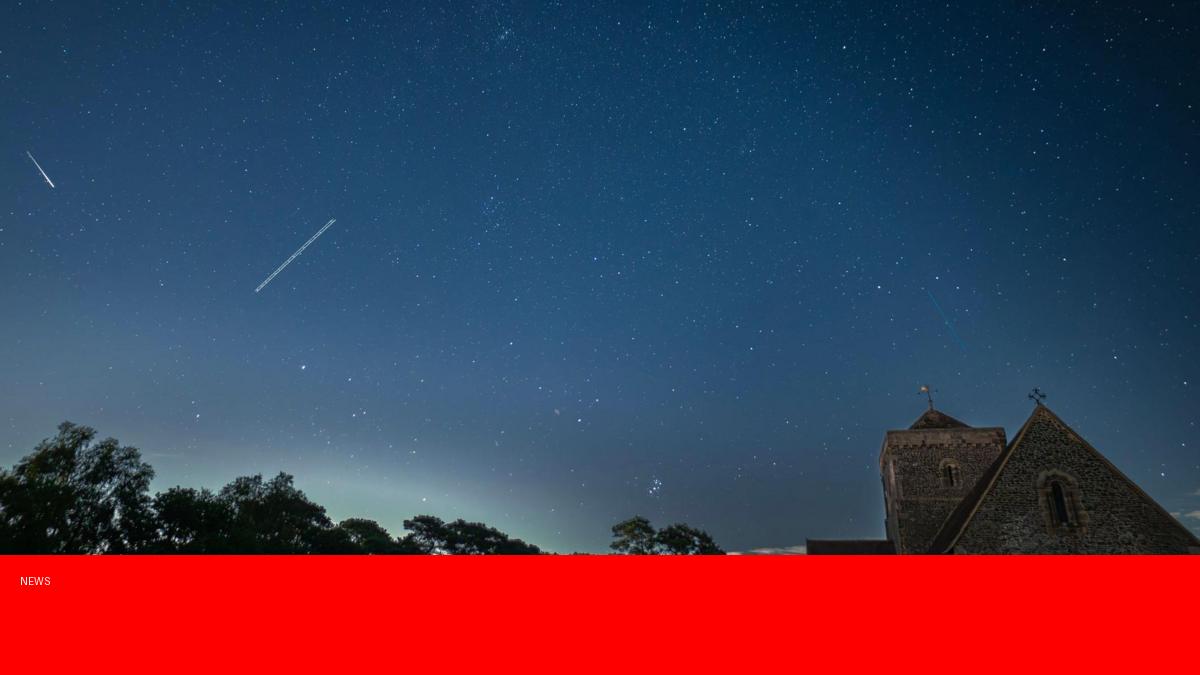
The Lyrid meteor shower, one of the year’s most anticipated celestial events, is set to reach its peak visibility in the UK. Stargazers can expect to see the pinnacle of this meteor shower during the night of April 21 to 22, when conditions are forecast to be ideal for viewing. The Lyrids are known for their bright, fast meteors and occasional fireballs, making this peak a memorable spectacle for astronomy enthusiasts.
Why it matters
This meteor shower peak offers a unique opportunity for both amateur and professional astronomers to observe a natural phenomenon that occurs annually but varies in intensity. Ideal viewing conditions mean that the maximum number of meteors can be seen with minimal light pollution and favorable weather, enhancing public engagement with astronomy and fostering a greater appreciation for natural science. Additionally, such events often inspire educational activities, stimulate interest in space science, and provide chances for scientific observation of meteoroid activity.
Background
The Lyrid meteor shower occurs each year as the Earth passes through debris left behind by Comet Thatcher. The shower gets its name from the constellation Lyra, from which the meteors appear to radiate. Typically lasting from mid to late April, the Lyrids produce about 10-20 meteors per hour under optimal conditions. The 2024 peak is anticipated to be particularly visible in the UK due to the Moon’s phase, which will cause minimal interference with meteor visibility. Weather forecasts currently predict clear skies across much of the region, further enhancing the viewing experience.
Questions and Answers
Q: When is the best time to watch the Lyrid meteor shower in the UK?
A: The best time to watch is during the night of April 21 to 22, after midnight until dawn when the radiant point in Lyra is highest in the sky.
Q: What conditions make viewing ideal?
A: Ideal conditions include clear, dark skies with little to no moonlight and low light pollution. Choosing a location away from city lights greatly improves visibility.
Q: How many meteors can viewers expect to see?
A: Under optimal conditions, observers may see 10-20 meteors per hour during the peak.
Q: Can the Lyrid meteor shower cause any damage on Earth?
A: No, the Lyrid meteor shower poses no threat to Earth as the meteoroids are small and burn up upon entering the atmosphere.
Q: Is any special equipment needed to watch the Lyrids?
A: No special equipment is needed; the meteors are visible to the naked eye. However, reclining chairs or blankets are recommended for comfortable long viewing sessions.
Source: https://www.bbc.com/weather/articles/cede7gpjn85o?at_medium=RSS&at_campaign=rss