What happened
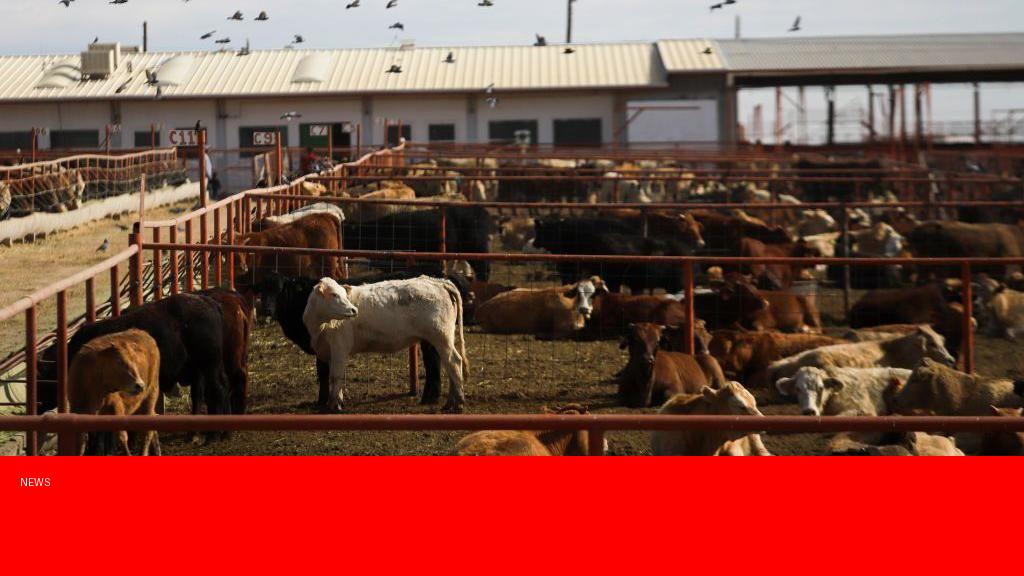
Canada has imposed a ban on cattle imports from Texas following an outbreak of the flesh-eating screwworm in the United States. The Canadian Food Inspection Agency (CFIA) announced the restriction to prevent the spread of this parasitic fly that can cause severe tissue damage in livestock. The ban affects all cattle shipments originating from Texas, a major cattle-producing state, until the outbreak is contained.
Why it matters
The screwworm outbreak poses a significant threat to North American livestock industries due to its highly destructive nature. If the parasite spreads into Canada, it could lead to substantial economic losses for farmers by damaging animals, lowering meat quality, and increasing veterinary costs. The ban aims to safeguard Canadian cattle health and maintain market stability, highlighting the importance of cross-border disease control measures in agricultural trade.
Background
The New World screwworm (Cochliomyia hominivorax) is a parasitic fly native to tropical regions of the Americas. While eradicated from the US and Canada for decades through sterile insect release programs, recent cases have emerged in southern Texas, triggering concern among livestock health authorities. Screwworm larvae feed on the living tissue of warm-blooded animals, causing painful wounds and sometimes death if untreated. Previous outbreaks have required costly eradication efforts and strict quarantine protocols.
Questions and Answers
Q: How does the flesh-eating screwworm affect cattle?
A: The screwworm larvae infest open wounds or mucous membranes on cattle, feeding on living tissue and causing severe injury. This leads to pain, secondary infections, reduced growth rates, and sometimes death if untreated.
Q: What measures has Canada taken besides the ban?
A: Canada is increasing surveillance at border crossings and working with US authorities to monitor the outbreak. They have also issued guidelines for farmers to identify and report symptoms promptly.
Q: Could the ban impact beef prices?
A: While it is too early to determine definite economic effects, restricting Texas cattle imports may influence supply and trade dynamics in the short term, potentially affecting prices.
Q: What is being done in Texas to control the outbreak?
A: Texas officials are employing sterile insect release strategies and quarantine measures to eradicate the screwworm and prevent further spread within livestock populations.
Source: https://www.bbc.com/news/articles/cevpv3r7jmpo?at_medium=RSS&at_campaign=rss