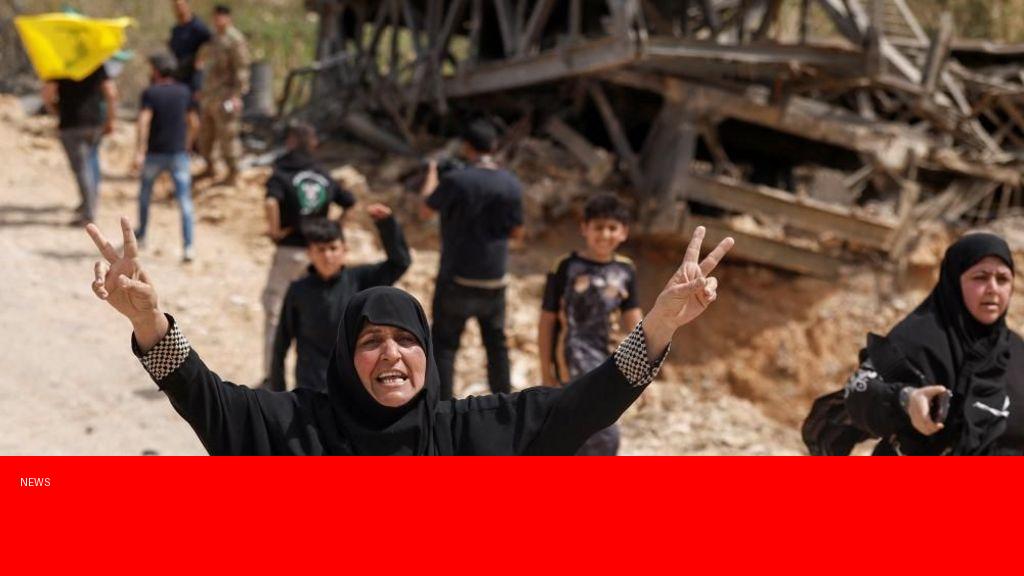
What happened
Two simultaneous ceasefires were announced recently in the Middle East, marking a significant de-escalation in regional tensions. One ceasefire was brokered between Israel and Hamas in Gaza, while the other involved clashes between Iranian-backed militias and US forces in Iraq and Syria. These pauses in violence have created a conducive environment for renewed diplomatic engagement between the United States and Iran, raising hopes for progress in ongoing nuclear negotiations.
Why it matters
The dual ceasefires represent a rare moment of stability amid longstanding conflicts, offering both sides a strategic opening to pursue dialogue rather than military confrontation. For the US and Iran, this lull could facilitate the resumption of talks aimed at reviving the 2015 nuclear deal, which has significant implications for global security and regional stability. Additionally, reducing violence in these flashpoints could prevent further humanitarian crises and improve prospects for peace in the Middle East.
Background
Tensions between the US and Iran have escalated over the past several years, particularly after the US withdrew from the Joint Comprehensive Plan of Action (JCPOA) in 2018. Meanwhile, Israel and Hamas have experienced repeated flare-ups causing widespread destruction and loss of life. Iranian-backed militias have frequently clashed with US forces in Iraq and Syria, further complicating efforts for peace. The recent ceasefires come amid renewed diplomatic initiatives and international pressure to curtail hostilities and revive nuclear talks.
Questions and Answers
Q: How do the ceasefires affect the US-Iran nuclear negotiations?
A: The ceasefires reduce immediate military tensions, creating a more favorable atmosphere for diplomatic talks to resume and potentially reach an agreement.
Q: What are the main obstacles to lasting peace in the region?
A: Deep-seated mistrust, rival political agendas, and external influences have historically hindered sustained ceasefires and agreements.
Q: Could these ceasefires lead to a permanent peace?
A: While a permanent peace remains uncertain, the ceasefires present a critical opportunity to build trust and address underlying issues through dialogue.
Q: What role can other countries play in supporting this process?
A: International actors can facilitate negotiations, provide humanitarian aid, and encourage compliance with ceasefire agreements to sustain momentum toward peace.
Source: https://www.bbc.com/news/articles/c0mjynzvw94o?at_medium=RSS&at_campaign=rss