What happened
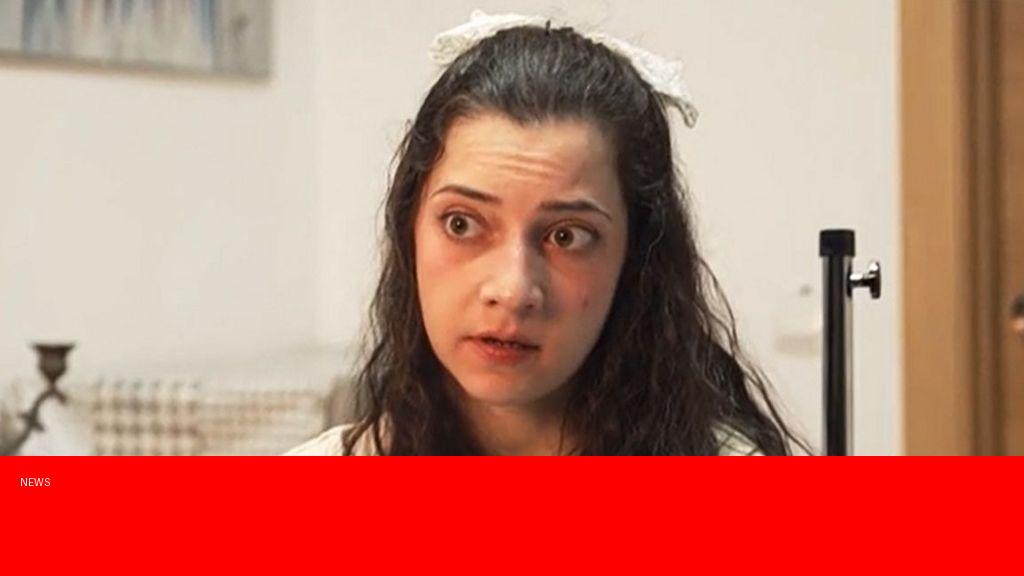
A Spanish woman seeking euthanasia died after authorities failed to grant her request in a timely manner, sparking outrage among critics who accuse the state of neglecting its legal responsibilities. Despite Spain’s legalization of euthanasia, bureaucratic delays and procedural hurdles prevented the woman from accessing the procedure she sought to end her suffering. Her death without euthanasia has reignited debates on the implementation and accessibility of the country’s euthanasia laws.
Why it matters
The case highlights significant shortcomings in the practical enforcement of Spain’s euthanasia legislation, which was intended to provide terminally ill patients with the right to choose a dignified death. Critics argue that the delays and failures in the state’s process undermine the law’s intent and betray vulnerable patients. The incident has prompted calls for urgent reform to ensure that legal euthanasia is not just available on paper but accessible in practice, impacting future patients seeking the same right.
Background
Spain legalized euthanasia in mid-2021, becoming one of the few countries in the world to allow terminally ill patients to end their lives with medical assistance under strict conditions. The law aims to respect personal autonomy and alleviate unbearable suffering. However, the law requires multiple medical evaluations and administrative approvals, which some say can create lengthy delays. Since the law’s implementation, there have been ongoing debates about its application, the adequacy of safeguards, and whether it truly fulfills the rights it promises to patients.
Questions and Answers
Q: What reasons did the state give for the delay in approving the euthanasia request?
A: Authorities cited the need for thorough medical assessments and compliance with legal protocols as reasons for the delay, though critics argue these were used as bureaucratic obstacles.
Q: How have critics responded to the woman’s death?
A: Critics have condemned the state’s handling of the case, calling it a failure that denied the woman her legally entitled right to a dignified death, and urge reforms to streamline the euthanasia process.
Q: Has the government responded to the criticism?
A: The government has acknowledged the tragic nature of the case and emphasized ongoing efforts to improve the euthanasia procedure’s efficiency and transparency.
Q: What does this mean for future euthanasia cases in Spain?
A: The case has intensified scrutiny of the euthanasia framework, potentially prompting legislative or procedural changes to prevent similar incidents and safeguard patient rights.
Source: https://www.bbc.com/news/articles/c4g8w4xp97jo?at_medium=RSS&at_campaign=rss