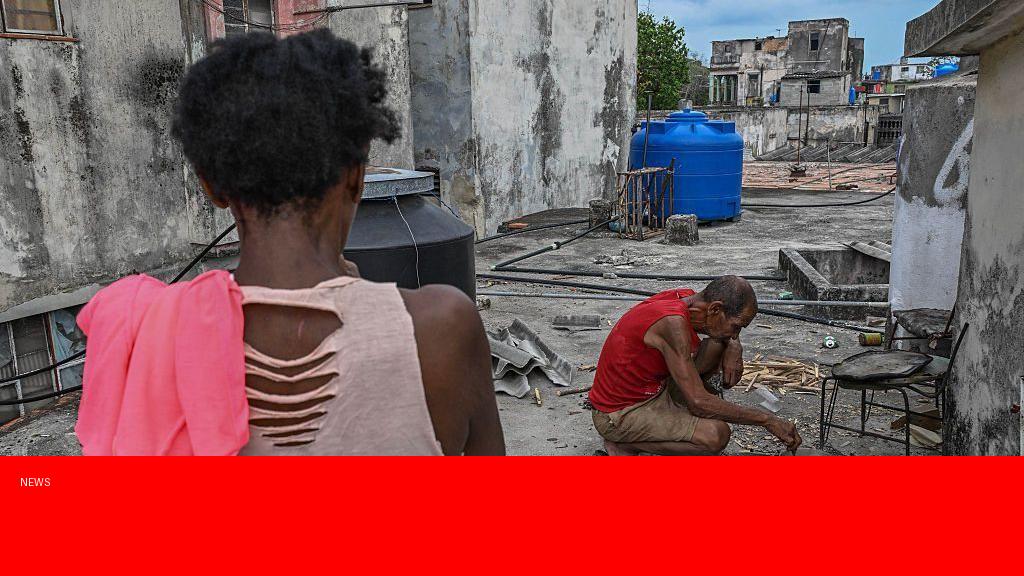
What happened
Cuba’s Energy Minister has announced that the country has run out of diesel and oil, triggering a critical energy shortfall. The shortage has led to widespread power outages and disruptions in transportation and essential services across the island nation. The government is scrambling to manage the crisis while seeking alternative sources of fuel.
Why it matters
This energy crisis poses a significant threat to Cuba’s already fragile economy and daily life. Diesel and oil are vital for powering electricity generation, transportation, and industrial operations. Without a stable energy supply, critical sectors such as healthcare, food distribution, and public transportation face severe disruptions, potentially exacerbating social unrest and economic instability.
Background
Cuba has struggled with fuel shortages for years, largely due to ongoing US sanctions that limit its ability to import petroleum products. The country depends heavily on imports from Venezuela and other allies to meet its energy demands. Recent diplomatic strains and global market fluctuations have further constrained supply, culminating in the current depletion of diesel and oil reserves.
Questions and Answers
Q: What are the immediate consequences of running out of diesel and oil in Cuba?
A: The immediate consequences include power outages, suspension of public transportation, reduced industrial activity, and challenges in delivering basic services such as healthcare and food distribution.
Q: How is the Cuban government responding to the shortage?
A: The government is seeking emergency fuel imports from friendly nations, implementing rationing measures, and encouraging energy conservation among citizens and businesses.
Q: What role do US sanctions play in this crisis?
A: US sanctions restrict Cuba’s access to international financial systems and shipping routes, making it difficult for the country to import sufficient petroleum products, thus worsening fuel shortages.
Q: Could this energy crisis lead to increased social unrest?
A: Yes, prolonged shortages of fuel and electricity can heighten public dissatisfaction, potentially leading to protests or civil unrest, especially in a country already facing economic hardships.
Source: https://www.bbc.com/news/articles/cd7pyrj0vx7o?at_medium=RSS&at_campaign=rss