What happened
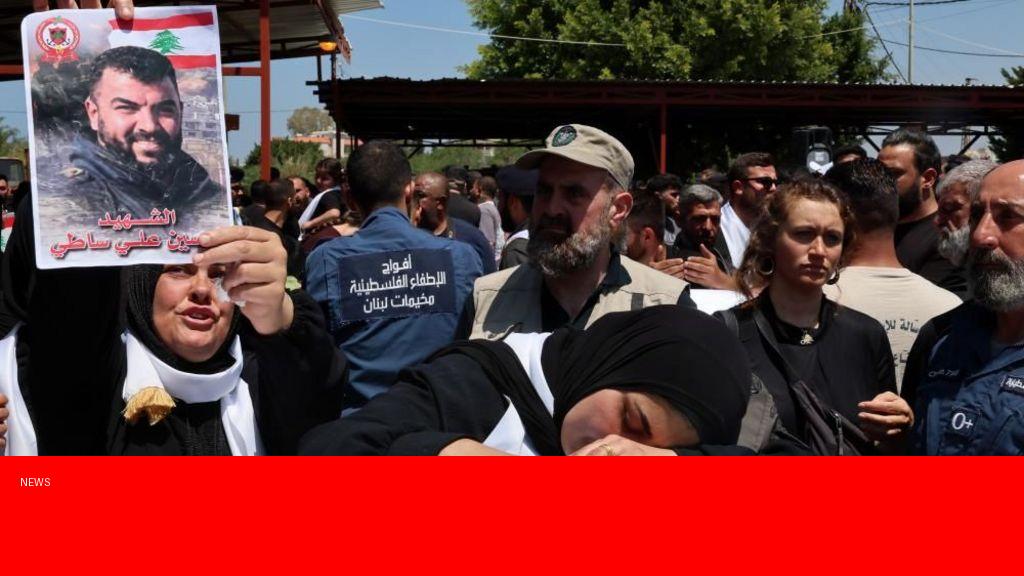
Over the past few days, Israeli forces have carried out multiple airstrikes and artillery attacks in southern Lebanon, resulting in the deaths of dozens of people, including militants and civilians. These strikes have persisted despite a recently agreed ceasefire between Israel and Hezbollah, the Lebanese militant group. The Israeli military stated that the attacks targeted weapons depots and militant positions, responding to alleged threats from Hezbollah. The violence has escalated tensions along the Israel-Lebanon border, with several exchanges of fire reported.
Why it matters
The resumption of hostilities despite the ceasefire raises concerns about the stability of the region and the durability of peace efforts. The death toll and destruction risk further inflaming sectarian and political divides within Lebanon and Israel. Additionally, the continued conflict threatens to drag in neighboring countries and international actors, possibly leading to a broader regional escalation. The attacks undermine diplomatic efforts aimed at conflict resolution and may prompt renewed military responses, jeopardizing civilian safety and regional security.
Background
Israel and Hezbollah have a long history of conflict, most notably the 2006 war that caused widespread devastation in Lebanon and northern Israel. Despite periods of relative calm, tensions frequently flare due to cross-border attacks and political disputes. A unilateral ceasefire aimed at halting hostilities was implemented recently following negotiations mediated by international intermediaries. However, mistrust and unresolved grievances have made the ceasefire fragile. Hezbollah remains a powerful political and military force in Lebanon, while Israel continues to prioritize neutralizing perceived security threats from the group.
Questions and Answers
Q: Why did Israel launch attacks despite the ceasefire?
A: Israel claims the attacks targeted weapons caches and militant positions believed to pose imminent threats, suggesting Hezbollah violated the ceasefire terms.
Q: How has Lebanon responded to the attacks?
A: Lebanese authorities have condemned the Israeli strikes, calling them violations of sovereignty and international law, and urging restraint to avoid further escalation.
Q: Are civilians affected by the conflict?
A: Yes, reports confirm that civilians have been among the casualties, heightening concerns about humanitarian impacts and calls for protection of non-combatants.
Q: What efforts are being made to restore peace?
A: International mediators and regional actors are engaging with both sides to reinforce the ceasefire and facilitate dialogue aimed at preventing further violence.
Q: Could this escalate into a wider conflict?
A: While there is significant concern about escalation, both sides have so far limited their military actions to targeted strikes, though the situation remains volatile.
Source: https://www.bbc.com/news/articles/cy523z7x0g5o?at_medium=RSS&at_campaign=rss