What happened
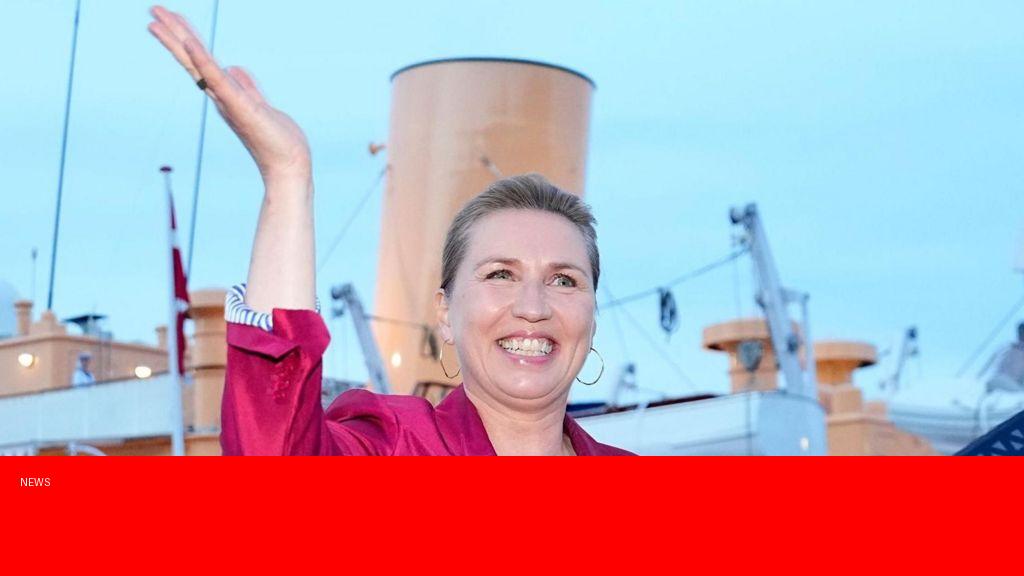
Denmark’s Prime Minister Mette Frederiksen has announced plans to form a new government after several months of intense negotiations following the recent general election. Frederiksen, leader of the Social Democrats, has reached an agreement with key political allies to establish a coalition that will enable her to continue governing. This development ends a prolonged period of uncertainty in Danish politics.
Why it matters
The formation of a new government ensures political stability in Denmark, allowing the country to move forward with its legislative agenda. Frederiksen’s ability to secure a coalition means that critical issues such as climate change, economic recovery, and social welfare can be addressed without further delay. Moreover, her leadership will influence Denmark’s role in European and global affairs, especially amid growing geopolitical challenges.
Background
Denmark held parliamentary elections earlier this year, resulting in a fragmented parliament without a clear majority. Mette Frederiksen’s Social Democrats remained the largest party but needed to negotiate with smaller parties to form a majority coalition. These talks took months due to differing policy priorities among potential partners. Frederiksen previously served as Prime Minister since 2019, and her government is known for progressive policies on immigration, climate, and welfare.
Questions and Answers
Q: How long did the government formation negotiations take?
A: The negotiations took several months following the general election.
Q: Which party does Mette Frederiksen lead?
A: She leads the Social Democrats.
Q: What are some key issues the new government aims to address?
A: Climate change, economic recovery, social welfare, and international relations.
Q: Why was forming a government challenging this time?
A: No single party secured a majority, requiring complex coalition talks among multiple parties with differing agendas.
Source: https://www.bbc.com/news/articles/cn7p3e34x5no?at_medium=RSS&at_campaign=rss